
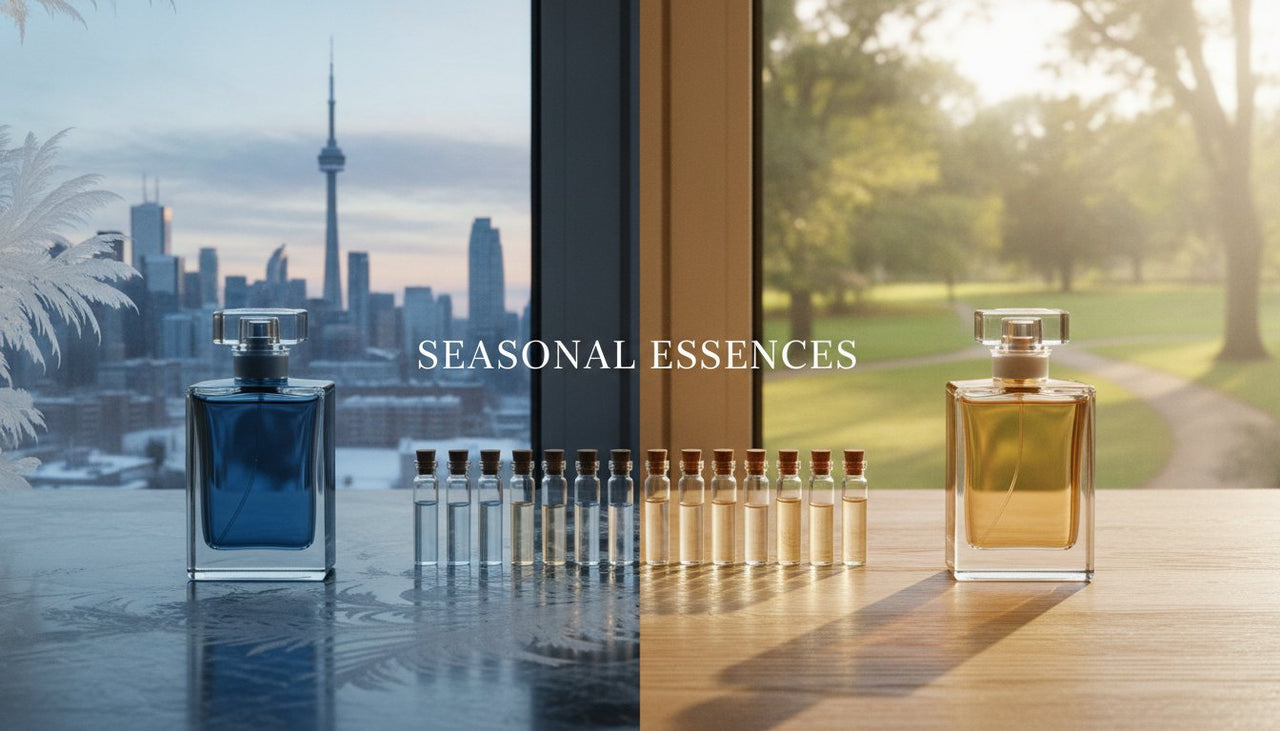
Your signature scent is failing you because it wasn't engineered for a Canadian January. Most collectors treat fragrance as a static accessory, but the air is a dynamic variable that dictates molecular behavior. This seasonal perfume rotation guide reframes scent selection as a technical calibration rather than a stylistic whim. Precision. Volatility. Atmospheric pressure. You've likely watched a complex Amouage extrait vanish in the sub-zero dry air or felt a heavy gourmand turn cloying during a humid August. It's a frustrating waste of high-end engineering. With the global fragrance market projected to reach $61.9 billion in 2026, building a versatile wardrobe is the only way to ensure your investment actually performs.
I understand the irritation of owning a masterpiece that only works twelve weeks a year. You deserve a collection that maintains peak performance regardless of the thermometer. This guide provides the methodology to audit your scents for molecular volatility and environmental fit. We'll break down the physics of projection, the strategic use of 1ml samples for rigorous testing, and how to select transition scents that bridge the gap between seasonal extremes. You'll gain the technical confidence to build a functional, high-performance scent library that justifies every cent of your investment.
Key Takeaways
- Understand why temperature is the fuel for your fragrance engine. You'll learn how kinetic energy dictates molecular evaporation and projection in the Canadian climate.
- Use this seasonal perfume rotation guide to navigate the shift from summer transparency to winter's structural resins. It's about ensuring your scent has the necessary bone to cut through thin, cold air.
- Identify chameleon notes like vetiver and sandalwood to master the unpredictable shoulder seasons. These versatile elements maintain peak performance when the weather refuses to commit.
- Treat 1ml samples and discovery sets as a technical testing phase. This methodology allows you to audit a scent's volatility before you commit to a full bottle.
- Protect your olfactory investment by understanding the chemistry of degradation. Learn to shield high-performance molecules from UV light and heat to ensure long-term durability.
The Physics of Fragrance: Why Temperature Dictates Performance
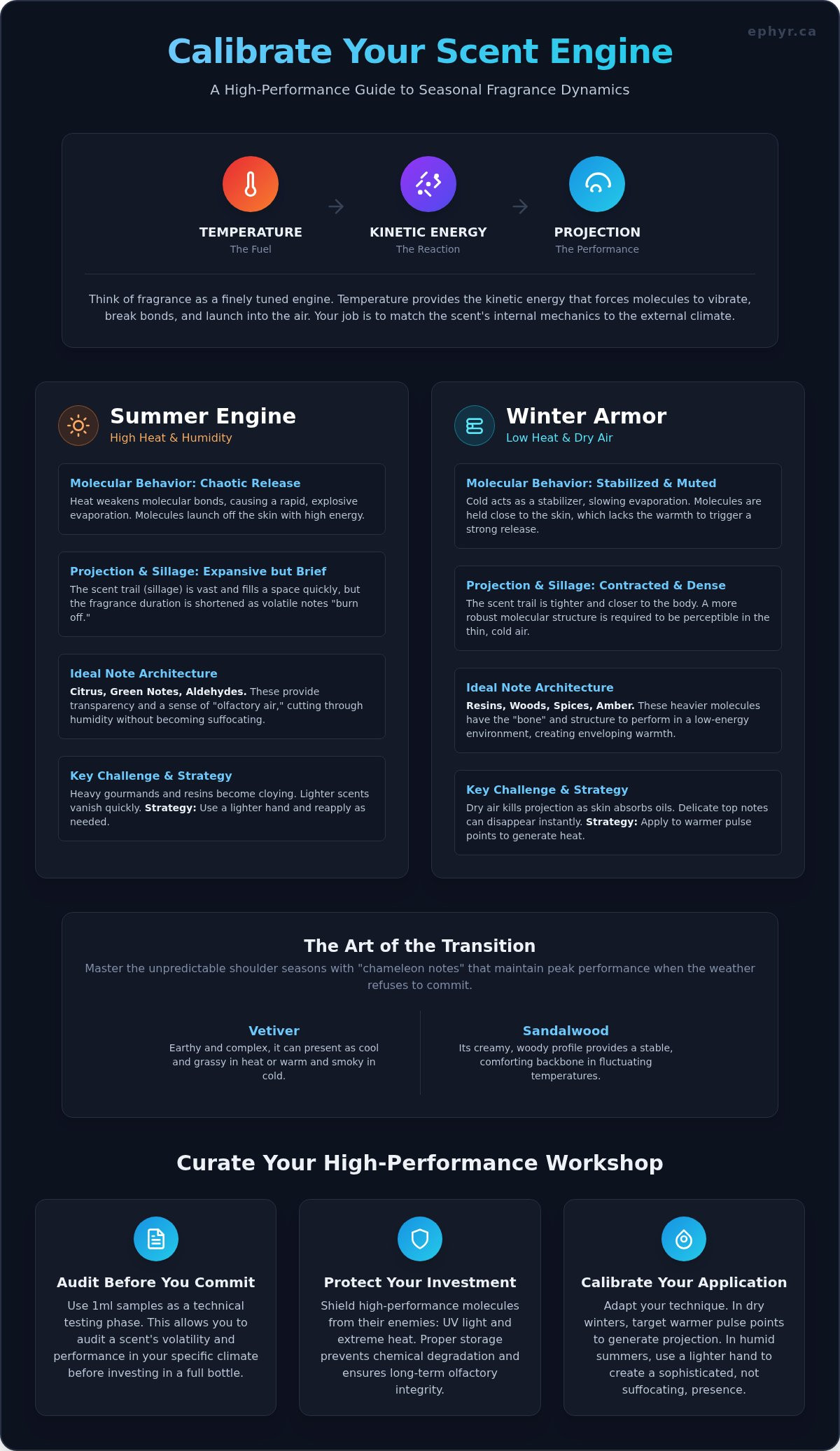
Think of your perfume as a finely tuned engine. Temperature is the fuel. Heat provides the kinetic energy that forces molecules to vibrate, break their bonds, and escape into the air. Without thermal energy, the engine idles. This is the foundational logic of any professional seasonal perfume rotation guide. You aren't just choosing a scent; you're calibrating a chemical reaction to your environment. When the thermometer climbs, the molecular bonds in your fragrance weaken. This leads to a rapid, often chaotic release of aromatic compounds. In contrast, cold weather acts as a stabilizer. It mutes delicate top notes, holding them prisoner on skin that lacks the warmth to trigger evaporation.
Concentration matters in this equation. High-concentration extraits, such as those engineered by Nishane, behave differently than standard Eaux de Toilette. Their higher oil-to-alcohol ratio requires more energy to project. While the history of perfume focuses on the evolution of artisanal blending, the modern master craftsman focuses on the evolution of performance metrics. An extrait that feels heavy in a humid July may find its perfect equilibrium in the crisp air of an October evening. It's about matching the internal configuration of the scent to the external hardware of the climate.
Volatility and the Projection Curve
Citrus molecules are small and highly volatile. In summer heat, they're a flash in the pan, evaporating almost instantly. To maintain a functional scent profile, you need a seasonal perfume rotation guide that accounts for this speed. Base notes like oud, amber, and resins act as anchors, slowing down the evaporation of lighter elements. Sillage is the technical wake left by a fragrance's evaporation as you move through a space. In high heat, sillage expands but shortens in duration. In the cold, it contracts, requiring a more robust molecular structure to remain perceptible.
Humidity: The Silent Factor in Scent Performance
Moisture in the air dictates the "heaviness" of your olfactory bubble. Dry Canadian winters are notorious for killing projection. The lack of atmospheric moisture causes the skin to absorb oils rather than throw them. You'll need to adjust your application technique, perhaps moving toward pulse points that generate more consistent heat. Conversely, humid summers can make "beast mode" fragrances suffocating. The moisture traps the scent, creating a dense, overwhelming cloud. Precision is required. A lighter hand or a shift toward "olfactory air" compositions ensures your presence remains sophisticated, not intrusive.
This atmospheric precision is especially relevant when dining in tropical coastal regions; for example, when you check out ECHO Phuket for a sunset meal featuring Thai-inspired gastro cuisine, a lighter, aquatic-leaning composition will complement the sea breeze without becoming cloying.
Spring and Summer: The Architecture of Lightness
When the Canadian thaw begins, your fragrance strategy must pivot from insulation to ventilation. Designing a summer rotation requires a focus on transparency and what I call "olfactory air." It's a shift in the internal configuration of your wardrobe. You're moving away from the dense, light-absorbing resins of winter and toward sparkling aldehydes and green notes that reflect environmental energy. This seasonal perfume rotation guide emphasizes that high-heat performance isn't about volume; it's about clarity. You want scents that breathe with you, not ones that suffocate the room.
Citrus-heavy compositions are the high-performance engines of summer, but they're notoriously fuel-inefficient. These molecules are small and escape quickly. To maintain peak performance, you'll need a "re-tuning" process throughout the day. This might mean more frequent reapplication or layering with body creams to extend the scent's lifespan. In professional environments, selecting "work-safe" niche options is critical. You want a presence that signals meticulous attention to detail without overwhelming shared spaces with a cloud of heavy sillage.
The Spring Awakening: Green and Floral Instruments
Spring is the season of structural green. Look for notes like galbanum and violet leaf. These mirror the crisp, sharp energy of the outdoor environment. Essential Parfums excels here, offering airy compositions that feel both modern and technically precise. It's time to retire the heavy gourmands of January. Replace them with petal-soft florals that possess enough "bone" to survive a chilly April morning but enough lightness to flourish as the sun warms the asphalt.
High Summer: Citrus, Salt, and Aquatic Engineering
High summer demands a different kind of engineering. Salt notes are fascinating; they don't just smell like the ocean, they provide a technical "cooling" sensation on the skin. Even a dense masterpiece like Bianco Latte can function as a summer gourmand if you apply it with a master’s restraint. Think of it as a subtle accent rather than a full-body coat. During extreme heatwaves, consider hair mists as a lighter alternative. They provide a steady, diffused release of scent that avoids the heavy, alcohol-rich impact of traditional EDPs. If you're ready to audit your current lineup, exploring niche discovery sets is the most efficient way to test these lighter molecular profiles before the humidity peaks.
Autumn and Winter: Constructing Enveloping Warmth
As the Canadian mercury drops, the air thins. It loses the moisture that carries lighter molecules, meaning your fragrance needs more "structural bone" to be felt. In this phase of your seasonal perfume rotation guide, the focus shifts from transparency to density. You're no longer looking for scents that breathe; you're looking for ones that insulate. Resins, balsams, and deep spices are the raw materials of winter engineering. They create a "scent bubble" that clings to your skin and clothing, resisting the muffle of a heavy parka. Amouage perfumes are the technical gold standard for this performance. Their use of high-grade frankincense and complex spice profiles provides the necessary structural integrity to remain perceptible in sub-zero conditions.
Cold weather acts as a natural stabilizer for notes that might otherwise feel aggressive. Vanilla, oud, and thick gourmands often become cloying in the heat because their molecules expand too rapidly. In the winter, these same notes are tamed. The cold forces a slow, sophisticated release of warmth. It's a controlled burn. This allows you to wear high-concentration extraits with a level of elegance that's impossible in July. You're layering scent just as you layer cashmere, building a fortress of olfactory heat that projects quiet confidence.
Autumnal Transition: The Spice and Wood Palette
The shift from summer to winter isn't immediate. It requires a transitional palette of cardamom, saffron, and dry woods to bridge the gap. Bois Imperial is a technical marvel in this regard. It's a crisp, high-performance wood that maintains a sharp edge even as the temperature fluctuates. I recommend matching your scent profile to the texture of your wardrobe. A dry, peppery wood mirrors the feel of a wool blazer. A rich, spiced amber complements the weight of a leather jacket. It's about achieving a total aesthetic equilibrium.
Deep Winter: The Mastery of Oud and Amber
Extreme cold demands the highest oil concentrations to ensure longevity. When the air is bone-dry, your skin will absorb moisture and fragrance oils at an accelerated rate. Exploring the Xerjoff collection reveals the complex, warming engineering needed for a Canadian January. These compositions aren't just luxury items; they're psychological tools. They provide a sense of internal heat during the long nights, creating a personal atmosphere that feels both exclusive and incredibly durable.
The Art of the Transition: Navigating the Shoulder Seasons
The shoulder season is the true test of a fragrance collector’s skill. It's the period where the Canadian climate refuses to commit. One day is a crisp 5°C; the next is a humid 18°C. Navigating this volatility requires a sophisticated seasonal perfume rotation guide that prioritizes technical versatility over sheer volume. Success lies in identifying "chameleon" notes. Vetiver, Rose, and Sandalwood are the reliable instruments of the transition. They possess a neutral molecular profile that adapts to shifting thermal energy. Vetiver provides earthy grounding in the damp spring, while sandalwood offers a dry, creamy insulation as the autumn air thins.
Precision is paramount during these erratic weeks. I recommend using luxury fragrance samples to audit performance before committing to a full-sized vessel. It's a diagnostic phase. You're looking for how a scent bridges the gap between the morning frost and the afternoon sun. Layering is another advanced technique for the master craftsman. By adding a robust woody base to a lingering summer floral, you create a hybrid profile with an autumn edge. It's about modifying the internal configuration of the scent to meet the external demand of the environment.
The Multi-Season Signature
Identifying a fragrance that performs across three out of four seasons is the peak of collection efficiency. Look for a universal profile characterized by moderate sillage and high tenacity. Nishane fragrances excel here. Their high extrait concentrations provide the structural stability needed to survive a sudden temperature delta. They don't collapse when the heat spikes, nor do they vanish when the cold returns. This is engineering excellence in a bottle, designed for those who value long-term durability metrics over fleeting trends.
The "One-Week" Test: Calibrating to the Forecast
Don't commit to a full bottle until you've tracked performance across a week of changing weather. Treat your 1ml samples as diagnostic tools for your skin chemistry. Observe how the scent interacts with your pores as the humidity fluctuates. You must adjust your spray counts based on the daily temperature delta. A higher forecast requires a more conservative application to avoid a cloying presence. If you're ready to begin your audit, you can explore our niche discovery sets to find your next transition masterpiece.
Curating Your Workshop: Storage and Sampling Strategies
Your collection isn't just a row of bottles on a dresser. It's a technical workshop. Treat it with the respect of a curator. High-end engineering requires stable conditions to maintain its structural integrity over time. The chemistry of degradation is unforgiving. UV light and heat are the primary catalysts that break molecular bonds; they turn a complex extrait into a flat, distorted shadow of its former self. If you've spent months perfecting your seasonal perfume rotation guide, don't let poor maintenance sabotage your performance metrics. Every degree of temperature fluctuation matters when you're dealing with artisanal quality.
To ensure your investment delivers a high-performance experience year after year, you must audit your storage environment. Precision in storage is just as vital as precision in selection. You've already learned how temperature dictates evaporation on the skin. It's equally influential inside the bottle. A stable, cool environment preserves the internal configuration of the scent, ensuring the top notes we discussed in earlier sections don't oxidize and vanish before they ever touch your skin.
The Master’s Storage Protocol
The optimal temperature for long-term fragrance preservation is a consistent 15 to 18 degrees Celsius. The bathroom is the ultimate death zone. The rapid spikes in humidity and temperature act like a stress test your fragrances aren't designed to pass. Original boxes act as a proprietary armor for your glass vessels, shielding the internal chemical bonds from the destructive energy of UV rays. Keep your workshop dark, dry, and cool to maintain the long-term durability of your library.
Sampling as a Strategic Advantage
Building a "Seasonal Lab" is the most efficient way to expand your range without the risk of shelf-warming full bottles. Discovery sets allow you to track performance across the shifting Canadian seasons before committing to a full-sized vessel. For those refining their masculine profile, using cologne for men samplers helps you find the perfect winter weight during the testing phase. It's the financial logic of a professional: test the engine's volatility before you buy the car.
To finalize your rotation, implement a 3-tier system for a complete year-round wardrobe:
- Tier 1: Environmental Extremes. High-volatility citruses for 30°C and structural resins for -20°C.
- Tier 2: The Chameleons. Versatile woods, roses, and vetivers for the unpredictable shoulder seasons.
- Tier 3: Contextual Tools. Hair mists for high humidity and extrait-strength compositions for evening events.
This structured approach ensures you have a high-performance solution for every atmospheric challenge 2026 throws your way. You're no longer just wearing a scent; you're operating a finely tuned olfactory instrument, a concept that mirrors the sensory calibration found in holistic traditions where tools from Tribu Spirit are used to ground the individual and focus their internal state.
Calibrating Your Olfactory Architecture
Your collection is no longer a static array of bottles; it's a dynamic, high-performance system. You've learned that temperature is the fuel and humidity is the atmospheric variable. By following this seasonal perfume rotation guide, you've gained the technical authority to match molecular volatility to the Canadian climate. You now understand why a winter extrait requires structural bone and how a summer aquatic demands transparency. This shift in perspective ensures your investment delivers peak performance from the first spray to the final dry down.
Maison Ephyr is your primary source for these precision instruments. As an official Canadian retailer for Amouage and Xerjoff, we provide the artisanal quality your workshop deserves. We offer expert niche fragrance consultations and fast national shipping on all samples and full bottles. Don't leave your olfactory presence to chance. Explore our curated discovery sets to begin your seasonal rotation journey today. Build a wardrobe that's individually tuned to your life. The next phase of your collection starts now.
Frequently Asked Questions
How many perfumes should be in a basic seasonal rotation?
A functional rotation should consist of at least four to six distinct profiles. You need dedicated instruments for the extremes of Deep Winter and High Summer, plus at least two versatile options for the transitional shoulder seasons. This tiered configuration ensures you're never underpowered in the cold or overwhelmed by humidity. A professional seasonal perfume rotation guide prioritizes this variety to protect your olfactory investment from environmental failure.
Can I wear my favorite winter perfume in the summer if I spray less?
It's possible, but technical performance will suffer. Even with a reduced spray count, the dense resins and balsams found in winter extraits are engineered to expand slowly. High summer heat forces these molecules to vibrate and evaporate at an unnatural rate, often resulting in a cloying, distorted profile. You're better off selecting a scent designed for high-kinetic energy environments to maintain a sophisticated presence.
How long do niche perfumes actually last if stored correctly?
High-quality niche fragrances can maintain their integrity for fifteen years or more when stored in a controlled environment. If you shield them from the "death zone" of the bathroom and keep them in their original boxes, the molecular bonds remain incredibly stable. Some complex compositions even undergo a beneficial maceration process over time. Treat your collection as a long-term asset rather than a disposable commodity.
What are the best 'transition' notes for someone new to niche fragrance?
Vetiver, sandalwood, and iris are the gold standards for transitional wear. These notes possess a neutral thermal profile that adapts to shifting temperatures without losing its structural integrity. They provide earthy grounding in the damp spring and creamy insulation during the autumn chill. For those new to niche, these "chameleon" notes offer a safe entry point into the world of high-performance, multi-season engineering.
Do fragrance samples expire faster than full-sized bottles?
Samples generally have a shorter shelf life than full-sized bottles due to the increased oxygen exposure in smaller vials. Oxygen triggers oxidation, which can eventually alter the scent's internal configuration. While full bottles are sealed systems, a 1ml sample is a diagnostic tool meant for immediate use. Aim to finish your samples within six to twelve months to ensure you're getting an accurate performance read.
Is there a single 'signature scent' that actually works for all Canadian seasons?
A single signature scent is a compromise in the diverse Canadian climate. While some high-concentration woods like Bois Imperial offer impressive versatility, they still behave differently at -20°C than they do at 30°C. Most master craftsmen prefer a seasonal perfume rotation guide to ensure peak performance. Relying on one scent is like using a single tool for every job; it's rarely the most efficient approach.
Why does my perfume smell different in the winter than it did in the summer?
Temperature directly controls the evaporation rate of specific aromatic compounds. In the winter, the lack of heat suppresses volatile top notes, often making a fragrance seem deeper or more resinous. In the summer, the heat accelerates the entire projection curve, bringing every note to the surface simultaneously. You're essentially observing the same chemical engine operating at two very different speeds and intensities.
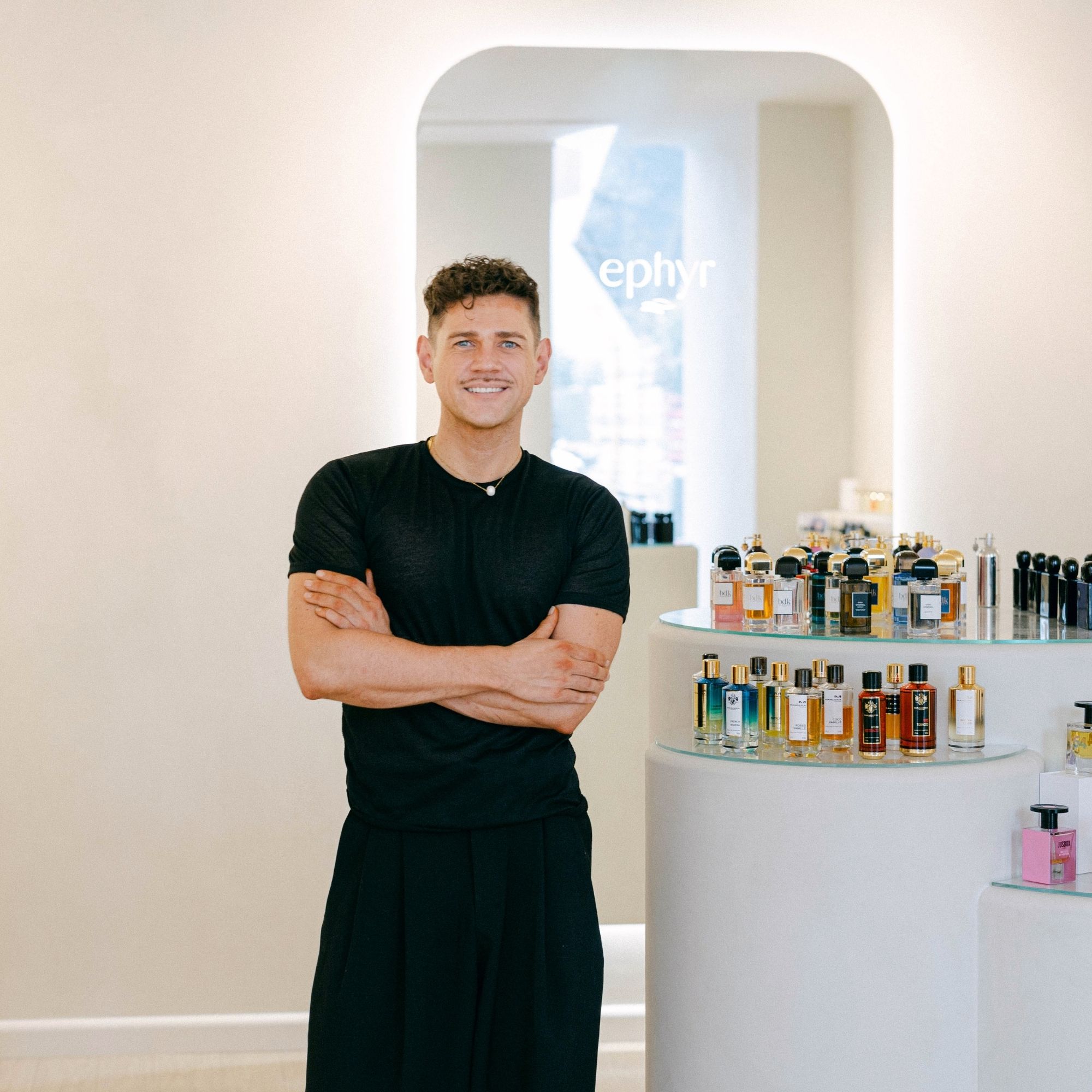
Article by
Dmitrii Savishin
Dmitrii Savishin is the founder of Maison Ephyr and Parfum Exquis, two Canadian destinations dedicated to the world of niche perfumery. With years of experience discovering exceptional fragrance houses from around the globe, Dmitrii shares expert insights on perfume trends, fragrance notes, luxury brands, and the art of choosing the perfect scent. His mission is to make niche perfumery more approachable while helping readers discover fragrances that leave a lasting impression.


