
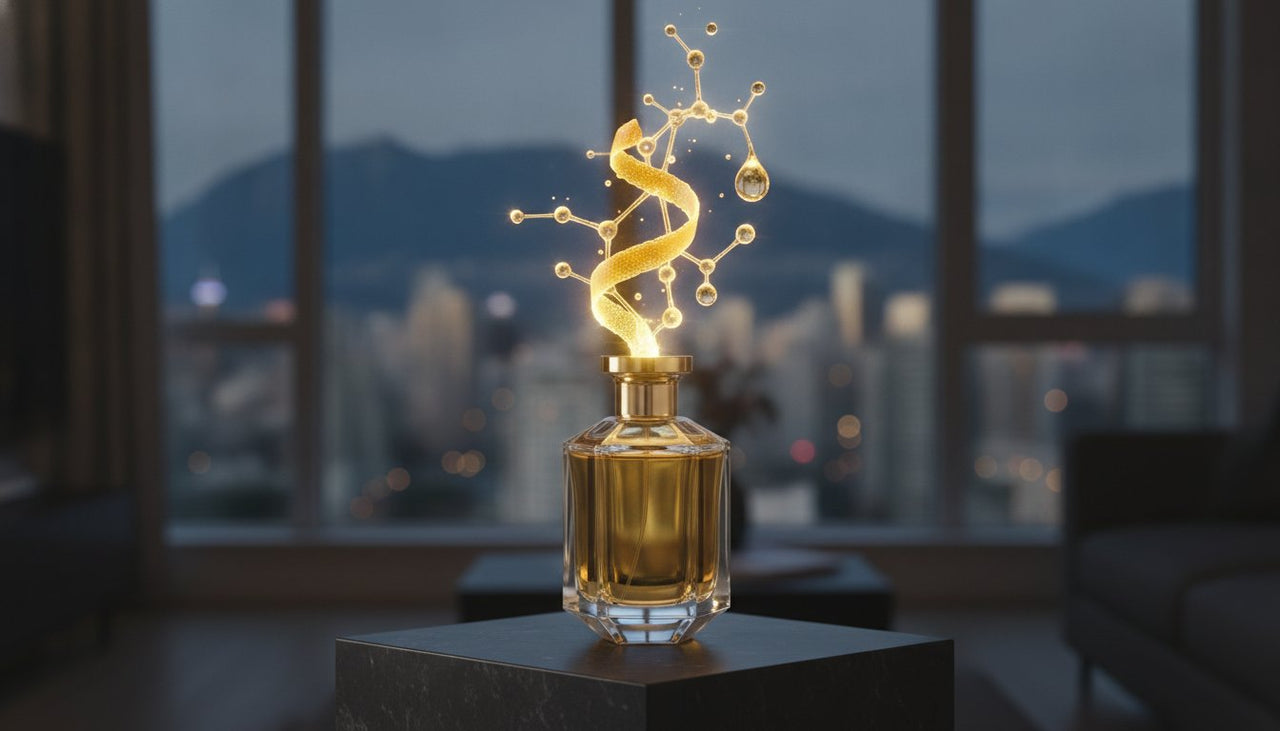
The industry's open secret is that most citrus scents are designed for the spray, not the skin. You've likely experienced the frustration of a brilliant, zesty opening that vanishes before your morning coffee is even cold. It's a common disappointment. Cheap formulations often trade quality for a fleeting spark, leaving you with a synthetic residue that feels more like a cleaning product than a luxury experience. Finding high-performance niche citrus perfumes Canada enthusiasts can actually rely on requires a shift in perspective.
Citrus is a feat of olfactory engineering. We'll show you how master perfumers use high-concentration Extrait de Parfum and precise internal configurations to anchor volatile notes for six hours or more. This guide breaks down the technical methodology behind artisanal durability and helps you navigate the latest 2026 Health Canada regulations with confidence. You'll learn how to identify authentic craftsmanship from houses like Amouage and Xerjoff, ensuring your signature scent is a long-term investment in excellence. It's time to stop settling for scents that fade and start understanding the hardware of high-end fragrance.
Key Takeaways
- Decode the molecular engineering behind citrus longevity. Learn how master perfumers anchor volatile notes for six-plus hours of performance.
- Distinguish between premium cold-pressed oils and synthetic fillers. Avoid the common "cleaning product" olfactory trap.
- Explore the most sought-after niche citrus perfumes Canada has to offer. Access technical powerhouses like Xerjoff and Nishane.
- Understand the impact of regional sourcing. Discover why Italian Bergamot and Japanese Yuzu are benchmarks of artisanal credibility.
- Master the sampling process. Use 1ml discovery sets to test internal fragrance configurations against your specific skin chemistry.
Beyond the Peel: What Defines a Niche Citrus Perfume?
The Hesperidic fragrance family represents the foundation of classical perfumery. It's named after the Hesperides from Greek mythology; the nymphs who guarded a garden of golden apples. In modern scent engineering, this family focuses on the vibrant, volatile zest of fruits like bergamot, grapefruit, and citron. While mass-market brands rely on flat, synthetic aromachemicals to mimic these profiles, niche houses prioritize the raw power of cold-pressed essential oils. These are not merely scents. They are technical achievements in botanical extraction.
This distinction is critical. When you peel a fresh orange, you encounter a complex spectrum of oils. Understanding the science of citrus scents reveals that these natural compounds are multi-layered; they aren't just single-note "cleaners." Mass-market perfumes often strip away this complexity. The result is a linear, predictable smell. Niche formulations preserve the bitter, floral, and herbaceous nuances found in the rind. They offer an invitation to a deeper olfactory journey that evolves on the skin.
Master perfumers treat citrus as a high-performance top note. It's a spark. It's designed to ignite the senses before transitioning into the heart of the fragrance. In the niche world, we often see the "citrus plus" concept. This is where bright hesperidic notes are meticulously bonded with resins, dark woods, or dry spices. This internal configuration transforms a fleeting scent into a durable masterpiece. It's about structural integrity. The citrus provides the initial energy, while the heavier base notes provide the necessary ballast.
The Niche Difference: Quality Over Quantity
Niche citrus perfumes are defined by their internal hardware. Unlike designer scents that may use a high percentage of alcohol and water, niche houses utilize a higher concentration of natural oils. Many reach Extrait de Parfum levels. This artisanal sourcing ensures a multi-dimensional zest. A master perfumer acts as a technician, balancing these highly volatile molecules so they don't evaporate instantly. It's about precision. It's about ensuring the bergamot stays crisp while the vetiver takes hold. This results in a fragrance that feels like an individually tuned instrument rather than a mass-produced commodity.
Citrus as a Year-Round Essential in Canada
There's a common myth that the niche citrus perfumes Canada residents wear are strictly for the July heat. This is a narrow view. In reality, the crisp, sharp profile of a high-end citrus scent provides a "clean" aura that cuts through the heavy, stagnant air of a Canadian winter. When daylight hours are short, these bright compositions offer a significant psychological lift. They act as a functional art form. They bring a sense of clarity and energy to the greyest February morning. A well-engineered citrus scent isn't just a seasonal accessory; it's a permanent fixture in a sophisticated collection.
The Engineering of Longevity: Why Some Citrus Scents Outlast the Rest
The most frequent objection to citrus-based fragrances is their lack of endurance. Many enthusiasts believe that a bright, zesty profile is destined to fade within the hour. This isn't a failure of the scent; it's a matter of molecular physics. Citrus molecules are the smallest and lightest in the olfactory pyramid. Their low molecular weight means they are highly volatile. They are designed to evaporate quickly, providing that initial burst of energy that defines the genre. However, in high-performance perfumery, this volatility is treated as an engineering challenge to be solved rather than an inevitable flaw.
Master craftsmen approach longevity through structural integrity. They don't simply increase the volume of raw materials. Instead, they manipulate the internal configuration of the scent. The Science of Perfume Longevity demonstrates that the interaction between top notes and base fixatives determines how long a scent remains detectable. In the best niche citrus perfumes Canada has to offer, this is achieved through a "slow-release" mechanism. By bonding volatile citrus oils to heavier, more stable molecules, perfumers can effectively anchor the zest to the skin for six to eight hours.
This technical precision is what separates a boutique studio creation from a mass-market product. While a generic scent might vanish, a niche fragrance evolves. It maintains its "spark" even as the deeper, more resonant base notes begin to surface. It's a functional art form that respects the limits of chemistry while pushing the boundaries of performance. If you want to experience this durability firsthand, you can test our 1ml niche samples to see how different fixatives react with your unique skin chemistry.
The Role of Sillage and Projection
Sillage is often misunderstood as simple volume. In technical terms, sillage is the spatial persistence of an olfactory trail left by the wearer. High-end niche engineering maximizes this trail without overwhelming the immediate environment. For a premium citrus oil, sillage is measured by the ability of a 20% to 30% concentration extract to remain detectable within a two-meter radius even after the wearer has moved. This ensures your presence is felt through a refined, atmospheric aura rather than a loud, intrusive cloud. It's about precision, not noise.
Fixatives: The Anchor of the Zest
Fixatives are the structural pillars of a perfume. Materials like musk, ambergris, and rare woods act as chemical anchors. They hold the "hesperidic" molecules in place, slowing their rate of evaporation. Brands like Amouage excel at this methodology. They often pair bright, crystalline citrus with dense resins or Silver Frankincense. This creates a "long-lasting freshness" that remains vibrant throughout the day. Unlike linear scents that stay the same until they disappear, these complex evolutions allow the citrus to shimmer atop a sturdy, sophisticated foundation. It's the difference between a fleeting sketch and a permanent masterpiece.
The Global Palette: From Italian Bergamot to Japanese Yuzu
The world of high-end perfumery isn't just about scent; it's about the geographic coordinates of quality. When we discuss niche citrus perfumes Canada collectors seek out, we're really discussing a global map of artisanal sourcing. Every citrus fruit carries a distinct regional heritage that defines its technical profile. It's a spectrum of functional art. On one end, you have the sun-drenched sweetness of Brazilian orange. On the other, the aggressive, sophisticated bitterness of grapefruit. This diversity allows master perfumers to build specific moods through the hardware of raw ingredients. Sourcing from specific micro-climates adds a layer of artisanal credibility that mass-market brands simply can't match. It's the difference between a generic component and a precision-engineered instrument, a philosophy shared by artisanal producers like MAYANA who apply similar rigor to the sourcing of ingredients for their Mexican-inspired condiments.
European Classics: Bergamot and Neroli
Calabrian Bergamot is the undisputed cornerstone of the European palette. It's often called the "prince of citrus" for its tea-like, sophisticated nuances. It isn't just sour. It's floral, peppery, and incredibly complex. This is why brands like Xerjoff rely on it as a primary benchmark for quality. Then there's Neroli. This is a hybrid profile; a floral heart with a citrus soul. It evokes a specific sense of Mediterranean luxury. It's clean, expensive, and technically demanding to harvest. These ingredients provide a sense of timeless elegance. They serve as the foundation for fragrances that feel mature and refined, rather than fleeting or juvenile.
Exotic Brightness: Yuzu and Pomelo
For the performance-driven minimalist, exotic citrus offers a sharper edge. Japanese Yuzu is the standout here. It's bone-dry. It's modern. It lacks the sugary sweetness of traditional orange, opting instead for a tart, almost metallic clarity. Pomelo follows a similar logic. It's an oversized citrus fruit that brings a "green" tartness to a composition. These notes are often used to create a sense of minimalist elegance in a scent. They don't crowd the olfactory space. They define it with precision. When you're exploring the niche citrus perfumes Canada has available, these exotic profiles represent the cutting edge of modern fragrance design. They appeal to users who value clarity and unique internal configurations over traditional, mass-market sweetness.
The Ephyr Edit: Top Niche Citrus Brands for the Canadian Collection
Curating a collection of niche citrus perfumes Canada enthusiasts can rely on requires a focus on engineering. We don't just look for a pleasant scent. We look for technical integrity. Every brand at Maison Ephyr is selected because it functions as an individually tuned instrument. These aren't mass-produced liquids. They're precision-engineered compositions designed for durability and depth. Our selection prioritizes houses that treat fragrance as a form of functional art, ensuring each bottle offers more than just a surface-level aroma. It's about finding the right balance between raw power and refined aesthetics.
Xerjoff: The Gold Standard of Italian Citrus
Xerjoff perfumes represent the pinnacle of Italian olfactory artistry. One of their most renowned compositions is a masterclass in hyper-realistic extraction. It pairs crystalline citrus with a sharp, cooling mint profile. This isn't a simple freshie. It's a complex configuration that maintains its structural zest for hours. The technical precision involved in Xerjoff’s citrus extractions is unrivaled. They use specific micro-climates to ensure the raw materials meet their proprietary quality benchmarks. For the Canadian collector, a Xerjoff bottle is a long-term investment. Every spray delivers a consistent, high-performance experience that stands up to the demands of a professional lifestyle.
Nishane and Amouage: Complexity Meets Freshness
Nishane and Amouage take a different approach to the citrus category. Nishane's citrus-pineapple powerhouse is a modern standout. It's built for extreme projection and often reaches Extrait de Parfum levels of concentration. We're also tracking the availability of 2026 new releases from Nishane to keep our collection at the cutting edge. Amouage, often referred to as "The Gift of Kings," uses citrus as a bright, inviting opening to dense resins and frankincense. This creates a fascinating contrast. The initial spark of lemon or bergamot slowly reveals a rich, woody core. It's an evolution that requires master-level craftsmanship to execute without losing the brightness of the top notes.
Testing these high-performance scents is essential. You need to see how the internal chemistry interacts with your skin over several hours. We recommend exploring luxury fragrance samples in Canada before committing to a full bottle. This allows for a risk-free exploration of these complex profiles. You can browse our curated discovery sets to find your next signature scent today.

Finding Your Signature Zest: How to Sample and Select
Selecting a fragrance is a technical evaluation. It's an assessment of how a specific internal configuration of oils reacts with your unique biological hardware. This is especially true for niche citrus perfumes Canada enthusiasts often find that a scent smelling brilliant on a blotter strip might fail to perform on the skin. Skin chemistry is the final variable in the equation. Factors like pH levels, hydration, and even your local climate dictate how long those volatile citrus molecules remain anchored. A disciplined approach to selection ensures your signature scent is a long-term investment rather than a wasted spray.
The process requires patience. You aren't just looking for a pleasant opening; you're looking for structural integrity that lasts through the dry down. Professional collectors treat scent discovery as a series of controlled tests. They observe how the fragrance evolves over several hours, noting the transition from the initial spark to the resonant base notes. This methodology eliminates the risk of "buyer's remorse" caused by impulsive mass-market purchases. It’s about finding a scent that aligns with your personal standards of excellence.
The 1ml Strategy: Risk-Free Discovery
The 1ml sample is the professional’s tool for risk-free exploration. It provides enough volume for a full 24-hour performance test. To properly evaluate a scent, apply it to pulse points and track its lifecycle. Does the citrus stay crisp after three hours? How does the heart develop in the specific Canadian climate? Dry winter air in the Prairies can accelerate evaporation, while summer humidity in Ontario might amplify projection. Testing in your actual environment is the only way to verify a fragrance's true durability metrics. It allows you to experience the full architectural flow of the composition before committing to a full bottle.
Building Your Fragrance Wardrobe
A well-rounded collection is an exercise in organized efficiency. You need different citrus profiles for different operational requirements. A sharp, bone-dry Yuzu or Bergamot is ideal for professional settings where clarity and quiet confidence are paramount. These scents project a clean, disciplined aura. For casual weekends, you might opt for a "citrus plus" configuration that includes warmer resins or sweeter orange notes. This creates a more relaxed, approachable atmosphere without sacrificing quality. Every bottle in your wardrobe should serve a specific purpose, contributing to a narrative of peak performance and personal style. To complement your fragrance with equally high-quality beauty essentials, you can visit Fabulous Looks for professional-grade cosmetics.
Maison Ephyr serves as a bridge between high-end engineering and the refined world of luxury goods. We prioritize depth of service, offering the technical insights you need to make an informed choice. Ready to begin your discovery? Explore our curated niche citrus collection at Maison Ephyr and find the precision-engineered scent that defines your signature zest.
Elevate Your Olfactory Standards
High-performance citrus is no longer an oxymoron. You've seen how master perfumers use structural fixatives to anchor volatile zest; ensuring your fragrance lasts long after the initial spray. You've also explored the geographic heritage that separates global benchmarks like Calabrian Bergamot from mass-market imitations. Finding the right niche citrus perfumes Canada offers is about recognizing this functional art and understanding the engineering behind every note. It is the difference between a fleeting scent and a lasting statement of quality.
Maison Ephyr stands as your master craftsman in fragrance retail. As an official retailer for Amouage and Xerjoff, we ensure every bottle meets the highest standards of technical integrity. We provide authentic 1ml samples to facilitate a disciplined discovery process and offer fast shipping across the country. This ensures you can test the internal configuration of any scent against your specific skin chemistry before committing to a full bottle. It's time to invest in a scent that performs as well as it smells. Your signature zest is waiting to be engineered.
Discover the Art of Niche Citrus at Maison Ephyr
Frequently Asked Questions
Is citrus perfume good for winter in Canada?
Yes, citrus is highly effective during Canadian winters. The sharp, crystalline profile of a niche fragrance cuts through heavy indoor air and stagnant heating systems. It offers a significant psychological lift during months with limited daylight. While mass-market versions may feel too thin, a well-engineered niche composition with a resinous or woody base provides the necessary structural warmth for sub-zero temperatures.
Can I make my citrus perfume last longer on my skin?
You can extend longevity by optimizing your skin's surface conditions. Apply a fragrance-free moisturizer or a matching body cream before spraying to create a lipid barrier that slows evaporation. Focus on pulse points where heat helps the internal configuration of the scent bloom. Avoid rubbing your wrists together; this generates friction that can prematurely break down the delicate top notes of your niche citrus perfumes Canada selection.
How much should I expect to pay for a high-quality niche citrus scent?
Prices for premium fragrances vary based on concentration and the rarity of the raw materials used. Niche offerings generally fall into a higher tier than designer scents because they utilize superior cold-pressed oils and higher extract percentages. While small 1ml samples offer an accessible entry point for discovery, a full bottle represents a long-term investment in artisanal craftsmanship and technical performance.
What happens if I store my citrus perfume in the bathroom?
Storing your perfume in the bathroom will accelerate the degradation of the essential oils. Frequent fluctuations in temperature and high humidity levels compromise the chemical stability of the fragrance. Citrus oils are particularly sensitive to oxidation. To maintain the integrity of your collection, store bottles in a cool, dark environment away from direct sunlight and moisture to prevent the molecules from breaking down.
Is there a difference between "citrus" and "hesperidic" in perfumery?
Hesperidic is the technical industry term for the citrus fragrance family. It's named after the nymphs of Greek mythology who guarded the garden of golden apples. While "citrus" is the common descriptor, "hesperidic" specifically denotes the use of oils extracted from the rinds of fruits like bergamot, lemon, and bitter orange. It signals a professional focus on the technical and botanical origins of the scent.
Can men and women both wear niche citrus perfumes?
Most niche citrus perfumes Canada enthusiasts select are designed as gender-neutral compositions. The modern niche market prioritizes the aesthetic vibe and technical profile of the scent over traditional gender marketing. Whether a fragrance feels masculine or feminine often depends on the supporting base notes, such as dark woods or soft musks, rather than the citrus itself. It's about personal alignment with the scent's internal logic.
How do I know if my citrus perfume has gone bad?
You'll notice a distinct shift in the olfactory profile if the perfume has oxidized. It may develop a sour, vinegar-like odor or a flat, plastic-like smell that lacks the original "spark." Physical indicators include a significant change in the liquid's color or the appearance of cloudiness. If the top notes vanish instantly or smell metallic, the chemical bonds have likely broken down due to heat or light exposure.
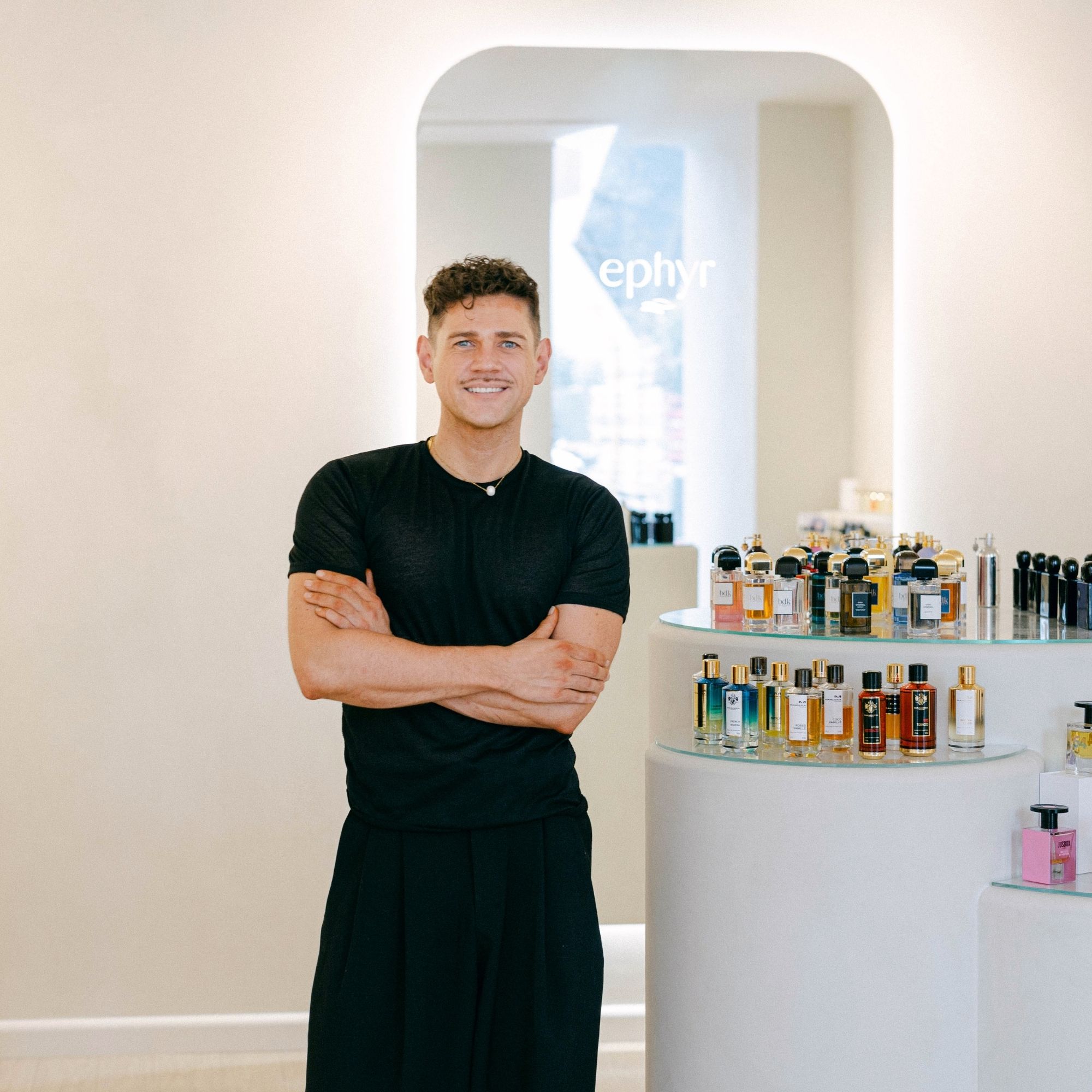
Article by
Dmitrii Savishin
Dmitrii Savishin is the founder of Maison Ephyr and Parfum Exquis, two Canadian destinations dedicated to the world of niche perfumery. With years of experience discovering exceptional fragrance houses from around the globe, Dmitrii shares expert insights on perfume trends, fragrance notes, luxury brands, and the art of choosing the perfect scent. His mission is to make niche perfumery more approachable while helping readers discover fragrances that leave a lasting impression.


