
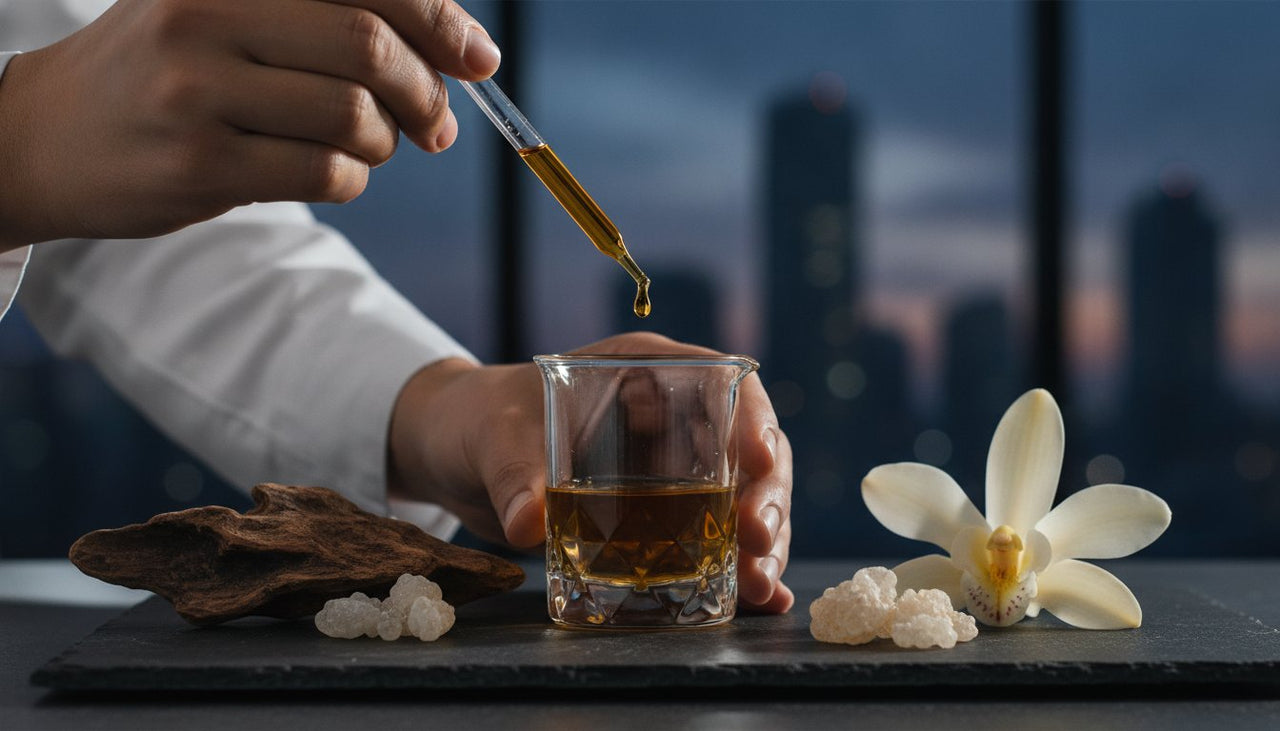
What if the most expensive part of your perfume is the glass bottle, not the scent itself? It's a frustrating reality for many. You invest in a prestigious logo, only to have the fragrance vanish before your morning commute. The technical gap in niche vs designer perfume ingredients is often the difference between a mass-produced commodity and a precision-tuned instrument. You're likely tired of paying for marketing budgets instead of raw material quality.
This guide changes that. You will learn to identify the high-quality notes that justify a premium investment and provide the longevity you've been searching for. We'll explore the engineering logic behind niche formulas, from the €80,000-per-liter cost of rare oud to the impact of the 2026 Health Canada allergen disclosures. It's time to move past the department store counter and understand the craftsmanship that defines an olfactory masterpiece. We are breaking down the chemistry, the costs, and the creative philosophy that separates the ordinary from the exceptional.
Key Takeaways
- Understand the shift from mass-market safety to unconstrained artistic vision. Niche houses build for impact, not just for volume.
- Gain clarity on the technical gap in niche vs designer perfume ingredients. See why your money belongs in the bottle.
- Master the math of scent performance. High-performance niche concentrations often reach 40% for maximum durability.
- Learn why the "Cost of Goods Sold" focuses on rare materials like Silver Frankincense instead of celebrity endorsements.
- Use discovery sets to evaluate complex formulations against your personal skin chemistry before securing a full-size masterpiece.
Beyond the Brand Name: The Philosophy of Olfactory Ingredients
Imagine standing in a high-end boutique in Toronto. You are surrounded by sleek glass and recognizable logos. Most buyers choose a scent based on the brand's reputation or a celebrity face. However, the true distinction lies in the engineering logic of the liquid inside. Designer scents are engineered for mass appeal. The goal is simple: please the widest possible audience to ensure global sales. Niche ingredients follow a different path. They are selected based on a singular creative vision, often ignoring market testing entirely.
The debate between a "Safe Scent" and a "Signature Scent" is particularly relevant in the Canadian luxury market. A safe scent is the olfactory equivalent of a corporate uniform. It is reliable, pleasant, and entirely anonymous. A signature scent is a technical statement of identity. The technical gap in niche vs designer perfume ingredients determines whether a fragrance feels like a costume or a second skin. Designer houses often rely on "captive molecules." These are proprietary synthetics owned by large fragrance corporations. They ensure brand consistency across millions of bottles, prioritizing industrial precision over artisanal character.
The Designer Brief: Engineering for the Crowd
The designer strategy focuses on the "three-second sale." Formulations prioritize top notes to trigger an immediate purchase at a department store counter. Because these scents are produced at an industrial scale, ingredients must be globally available in massive quantities. This logistical requirement limits the use of rare harvests or seasonal naturals. Most designer fragrances utilize a "linear" structure. This means the scent remains identical from the first spray to the final fade. It is a predictable experience that adheres to standard perfume concentrations and types to avoid surprising the consumer.
The Niche Brief: Engineering for the Individual
Niche perfumery is the unfiltered expression of a master perfumer’s intent. The focus shifts from the initial spray to the "dry down." This is the complex evolution of the fragrance on the skin over 8 to 12 hours. Small-batch production allows niche houses to utilize volatile, rare, or seasonal naturals that mass-market brands cannot source. These materials react with your specific skin chemistry, creating a unique profile. While a designer scent aims to be liked by everyone, a niche scent aims to be loved by the individual. It is an investment in raw material performance rather than marketing reach.
Synthetic Innovation vs. Natural Rarity: The Raw Material Debate
The "100% natural" label is often a marketing mirage. In the world of high-end perfumery, relying solely on natural oils is a technical limitation. Pure naturals often lack the structural integrity and performance metrics required for modern life. They can be volatile, inconsistent, and prone to rapid degradation. While this is a constraint for skin-worn scents, home fragrance specialists like Lomoya Fragrances leverage 100% natural, essential oil-infused profiles for diffusers and room sprays. The true technical gap in niche vs designer perfume ingredients lies in how these materials are balanced. Niche houses use high-grade naturals as the soul of a fragrance, while high-performance synthetics act as the structural scaffold. This creates a scent that is both emotionally resonant and technically durable.
Take Amouage as a case study. They utilize Silver Frankincense sourced from the Dhofar region of Oman. It provides a resinous depth that synthetic alternatives cannot replicate. However, even these master craftsmen use lab-developed molecules to amplify those natural notes. This isn't about cutting costs. It's about hardware optimization for the skin. By 2026, the industry has shifted toward even greater transparency. New FDA regulations on fragrance and Health Canada’s allergen disclosure rules mandate a clearer breakdown of these components. This regulatory pressure is driving innovation, forcing brands to move away from "trade secret" fillers and toward safer, high-performance synthetic alternatives.
The Case for High-End Synthetics
Molecules like Ambroxan and Iso E Super are the invisible engines of modern sillage. They provide the projection and "lift" that natural oils often lack. In many cases, a high-end synthetic "Oud" can be more sophisticated than a low-quality natural resin. These lab-created ingredients ensure that a fragrance remains stable across different climates and skin types. They are the precision tools that allow a master perfumer to control how a scent radiates from the body.
The Luxury of Natural Sourcing
Natural rarity remains the ultimate hallmark of prestige. Real Mysore Sandalwood or Orris Butter are among the most expensive materials in a craftsman’s kit. Orris, derived from the iris root, requires years of aging before it can be processed. Niche brands often source from specific geographic micro-climates to ensure a unique chemical profile. This regional heritage adds a layer of artisanal credibility that mass-market designer scents, which require millions of liters of consistent juice, simply cannot afford. If you want to experience this technical balance firsthand, you might start with discovery sets to see how these rare materials react with your specific chemistry.
Structural Integrity: How Ingredient Concentration Affects Scent Performance
High-performance fragrance is a game of ratios. The industry categorizes scents by their oil-to-alcohol ratio, but the technical reality is more nuanced than a simple percentage on a label. While designer labels often cap concentrations at 15% to 20% for their "Intense" versions, niche houses frequently operate in the 20% to 40% range. This is the realm of the Extrait de Parfum. Understanding the history and chemistry of perfume ingredients reveals that higher concentrations fundamentally alter the evaporation curve. Volatile top notes are anchored by the heavy weight of the oil, slowing their release into the air. This is why the technical gap in niche vs designer perfume ingredients results in a scent that lingers on the skin for 12 hours rather than disappearing by lunch.
The relationship between ingredient quality and skin longevity is a matter of molecular weight. Mass-market scents rely on high-alcohol content to create an immediate, aggressive blast of scent. It's designed to grab your attention in a crowded duty-free shop. Niche formulations prioritize the "base" of the fragrance. By using heavier natural resins and high-grade synthetics, the master craftsman ensures the scent remains tethered to your pulse points. It's a shift from loud, temporary projection to a sustained, high-fidelity performance that evolves throughout the day.
The Architecture of an Extrait
Niche Extraits often feel thicker and more oily on the skin. You can actually see the sheen where you spray. This isn't a defect; it's a sign of high-concentration engineering. There is a specific trade-off to consider here. A higher concentration often means less initial projection but incredible intimacy. The scent doesn't shout across the room. Instead, it creates a personal aura. This is how modern cologne for men has evolved into high-concentration territory, focusing on depth and resonance rather than sheer volume.
Maceration and Maturation
Time is an ingredient that mass-market brands simply can't afford. Designer scents are often bottled and shipped immediately to meet fast-fashion retail cycles and quarterly targets. Niche houses prioritize maceration. This is the period where the concentrated oil sits in alcohol before bottling to allow the various chemical compounds to stabilize. Maceration allows ingredients to bond at a molecular level, rounding out sharp edges and deepening the overall profile. You will often find that a niche perfume smells significantly better six months after your first spray. It's a living product that matures and gains character over time.
The Master Craftsman’s Ledger: Why Niche Formulations Cost More
The financial architecture of a fragrance tells the real story of its quality. Designer brands often operate with the logic of a movie studio. They allocate up to 80% of their budget to celebrity endorsements, global TV spots, and prime retail placement. This leaves a remarkably small margin for the actual liquid. Niche houses flip this ledger entirely. They reallocate that massive marketing capital directly into the bottle. This results in a significantly higher "Cost of Goods Sold" (COGS). When you examine the technical gap in niche vs designer perfume ingredients, you are seeing the difference between an industrial commodity and a precision-tuned instrument. The price isn't just for the name; it's for the raw material density.
Exclusivity has a literal cost. Small-batch sourcing increases the per-liter price of raw materials because niche brands cannot leverage the same volume discounts as global conglomerates. However, this allows for the use of ingredients that are too rare for mass-market production. It isn't just "fancy water." It is a calculation of artisanal labor and material rarity. Every milliliter reflects the cost of sourcing, aging, and stabilizing compounds that an industrial chemist would find too volatile or expensive to manage at scale.
The Cost of Rare Extractions
The method of extraction is a major cost driver in high-end perfumery. While steam distillation is the industry standard for its efficiency, CO2 extraction is the gold standard for fidelity. It is a high-pressure, low-temperature process that preserves the true, delicate scent profile of a flower or resin. It's more expensive and technically demanding. Houses like Xerjoff Perfumes treat the entire presentation as an extension of this ingredient story. They invest in artisanal glass and precision-engineered packaging because the internal chemistry deserves an elite exterior. The hardware must match the software.
Sustainability and Ethical Sourcing in 2026
By 2026, ethical sourcing has become a non-negotiable performance metric. The cost of ethically harvested Vanilla and Vetiver continues to rise as brands move away from exploitative supply chains. Niche brands often bypass industrial middlemen to work directly with farmers in specific regions. This ensures a higher chemical grade and supports long-term durability metrics for the industry. Canadian consumers are leading this shift. They are increasingly prioritizing ingredient transparency and ethical origins over a recognizable logo. They want to know exactly what is touching their skin. If you are ready to invest in a formula where the value is inside the bottle, you can explore our full collection of niche masterpieces today.

Engineering Your Signature: Discovering Niche Excellence in Canada
Moving from the predictable world of mass-market scents into the complex architecture of artisanal perfumery can feel like a significant scent shock. It's a transition from commercial safety to individual expression. You aren't just wearing a logo. You are wearing an engineered profile that evolves over time. This is where the technical gap in niche vs designer perfume ingredients becomes personal. Your skin is the final laboratory where these raw materials react. Maison Ephyr acts as the curator of this technical excellence for the discerning Canadian nose. We specialize in identifying the internal engineering nuances that ensure your investment delivers peak performance in every spray.
The mastery of niche perfumery requires a different approach to testing. These aren't products you can fully understand in a five-second blast at a department store counter. They require patience to reveal their structural integrity. Because we focus on high-concentration Extraits and complex compositions, the way the liquid interacts with your specific biology is the ultimate benchmark of quality. It's about finding a signature that resonates with your personal identity rather than a trend.
The Discovery Set Strategy
Never buy a full niche bottle based on a single sniff. The high-concentration Extraits we've discussed require hours to reveal their true intent. Testing luxury fragrance samples Canada provides the data you need to make an informed decision. You must observe how the ingredients perform across different Canadian seasons. A resinous Amouage might behave differently in a dry Alberta winter compared to a humid Ontario summer. Using perfume samples Canada allows you to find your specific ingredient preference without the risk of a full-bottle commitment. It's the smartest way to build a high-performance collection.
Curating Your Olfactory Wardrobe
Building a fragrance collection is about hardware optimization for your lifestyle. You wouldn't wear a tuxedo to a gym. Your scent should follow the same logic. Match your ingredient profiles to specific occasions. A crisp, citrus-forward Xerjoff might be your daily work signature, while a deep, resinous Nishane serves as your evening gala scent. Each bottle is a long-term investment in your personal identity. Niche perfumery is not just a fragrance. It's a functional art form that expresses your internal configuration to the world. Ready to start your engineering journey? Explore the Maison Ephyr Collection and discover the difference that high-grade raw materials make.
Elevate Your Olfactory Standard
You've moved beyond the surface level of the department store counter. You now understand that the technical gap in niche vs designer perfume ingredients isn't just about price; it's about the structural integrity of the liquid itself. It's the difference between a scent that fades in an hour and one that matures on your skin throughout the day. By prioritizing high-grade raw materials and patient maceration cycles, niche houses offer a level of performance that industrial mass-production cannot replicate.
Maison Ephyr is an official retailer for Amouage, Xerjoff, and Nishane, bringing elite European craftsmanship to the Canadian market. We offer fast, reliable shipping across all provinces and provide expertly curated discovery sets for precise home testing. Your perfume shouldn't be a disposable commodity. It's a long-term investment in your identity. Are you ready to stop paying for marketing budgets and start investing in the bottle? Begin your journey into olfactory art with Maison Ephyr. It's time to find the masterpiece your skin deserves.
Frequently Asked Questions
Are niche perfumes always made with natural ingredients?
No, niche perfumery is not synonymous with all-natural. It is about a precision-tuned balance. High-end synthetics are the structural scaffolds that allow rare naturals to shine. Without these lab-engineered molecules, a fragrance would lack the sillage and durability required for a modern lifestyle. A master craftsman uses synthetics to amplify the soul of the natural ingredients rather than replacing them with cheap fillers.
Why do niche perfumes last longer than designer ones?
Longevity is a direct result of the technical gap in niche vs designer perfume ingredients. Niche houses prioritize heavy-weight base notes like real resins, woods, and high-concentration musks. These molecules evaporate slowly, ensuring the scent remains tethered to your pulse points long after mass-market alternatives have vanished. It is a matter of hardware optimization for the skin; better materials yield longer-lasting results.
What is the most expensive ingredient used in niche perfumery?
Natural Oud and Orris Butter remain the elite benchmarks of raw material costs. While we noted the extreme market price of Oud earlier, the value also stems from the years of biological maturation required before extraction. Orris Butter, for instance, requires the iris root to dry for half a decade to develop its characteristic scent profile. These timelines represent a level of capital investment that mass-market brands simply cannot justify.
Can I find niche perfumes that smell like popular designer scents?
You can find niche scents in similar olfactory families, but the internal configuration is vastly superior. Niche versions replace mass-market captive molecules with rare harvests and higher oil concentrations. When comparing niche vs designer perfume ingredients, the niche version will always prioritize raw material density over commercial safety. This results in a smoother evolution and a more realistic, high-fidelity scent profile.
Is it worth buying niche perfume samples before a full bottle?
Testing is the only way to verify how a complex formula reacts with your specific biology. Niche compositions are volatile and reactive; they don't behave like linear designer scents. A discovery set allows you to evaluate the 12-hour dry down and seasonal performance before you commit to a full-size investment. It's a low-risk method to audit the quality of the raw materials personally.
How do IFRA regulations affect the ingredients in my perfume?
IFRA standards serve as the technical blueprint for modern fragrance safety. By 2026, these regulations have mandated the removal of several historical compounds to prevent skin sensitization. For niche perfumers, this isn't a limitation but a prompt for innovation. It requires the development of new, high-performance molecules that maintain the olfactory complexity of the original formula while adhering to the strictest global safety metrics.
What is the difference between an EDP and an Extrait de Parfum?
The distinction lies in the oil-to-alcohol ratio. An Eau de Parfum offers standard luxury performance with 15 percent to 20 percent oil. An Extrait de Parfum is a high-performance instrument, often reaching 40 percent concentration. This density provides incredible intimacy and skin-hugging longevity. While an EDP might project further initially, an Extrait offers a richer, more sustained experience that lasts all day.
Why do some niche perfumes change scent over time?
Niche perfumes are living products that continue to stabilize through maceration after bottling. Over time, the various chemical compounds bond at a molecular level, rounding out sharp edges and deepening the overall profile. You'll often find that a bottle smells more refined six months after the first spray. This maturation process is a hallmark of quality, showing that the ingredients are authentic and evolving.
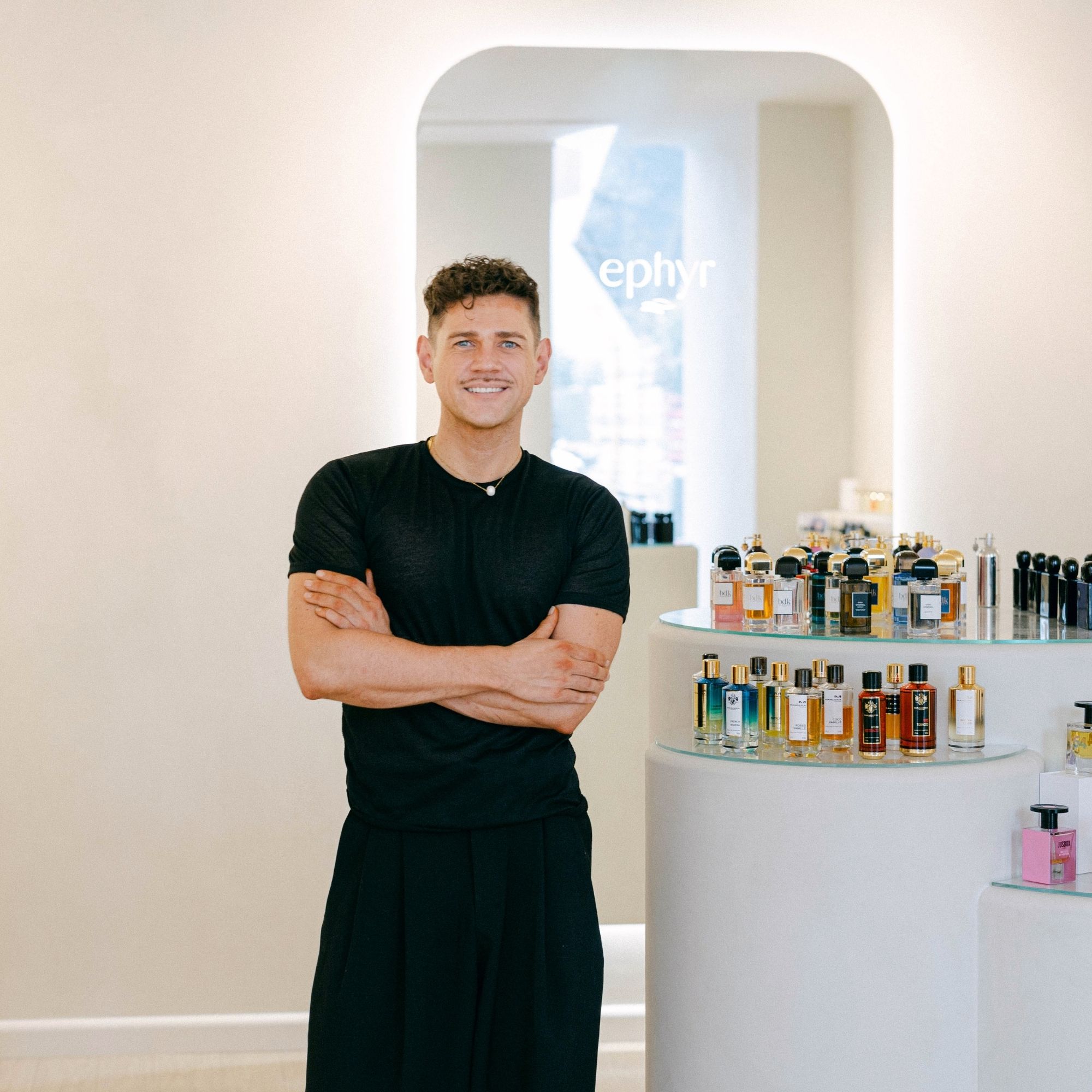
Article by
Dmitrii Savishin
Dmitrii Savishin is the founder of Maison Ephyr and Parfum Exquis, two Canadian destinations dedicated to the world of niche perfumery. With years of experience discovering exceptional fragrance houses from around the globe, Dmitrii shares expert insights on perfume trends, fragrance notes, luxury brands, and the art of choosing the perfect scent. His mission is to make niche perfumery more approachable while helping readers discover fragrances that leave a lasting impression.


