
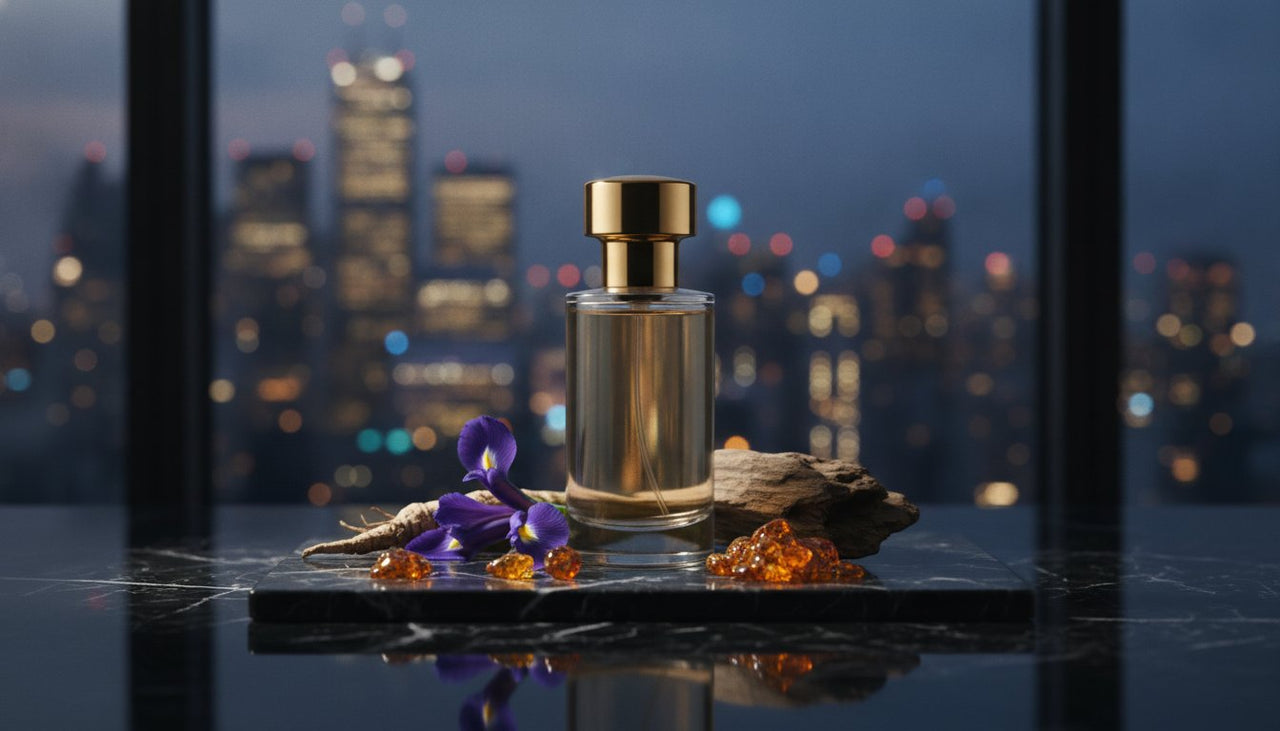
In the mass-market fragrance world, the liquid inside your bottle often accounts for less than 1% of the retail price. In contrast, true niche houses allocate up to 60% of their production budget to the raw materials. This radical shift in hardware investment explains why are niche perfumes so expensive. You aren't paying for a celebrity face or a global billboard campaign. You are paying for the raw power of $100,000-per-kilogram orris butter and the meticulous engineering of a master craftsman. High-altitude extractions. Barrel-aged oils. Uncompromising standards. It is functional art designed for those who demand peak performance from every spray.
It's frustrating to invest in luxury only to have the scent vanish before your first meeting. We agree that longevity and sillage should be non-negotiable metrics for any serious collector. This guide explores the technical engineering, raw material rigour, and economic physics that justify the premium price of brands like Amouage and Xerjoff. You will learn how to calculate the ROI of niche perfumery and how to spot true quality in a bottle. Maison Ephyr is moving past the marketing fluff to examine the internal configuration of the world's most elite scents for the Canadian market.
Key Takeaways
- Contrast the 60% ingredient investment found in niche perfumery with the low-cost fillers typically used in mass-market scents.
- Analyze the molecular ledger of rare raw materials like Orris Butter to see exactly where your investment goes.
- Understand the "No Brief" philosophy that gives master perfumers the freedom to prioritize technical engineering over corporate focus groups.
- Identify the economic physics behind small-batch production to understand why are niche perfumes so expensive compared to high-volume designer brands.
- Learn how to mitigate investment risk by using 1ml samples and discovery sets to verify scent performance before committing to a full bottle.
Decoding the Sticker Shock: Niche vs. Designer Economics
Walking into a high-end department store often feels like entering a marketing echo chamber. You're surrounded by familiar celebrity faces on glossy posters. This is the designer world. These scents are engineered for safety. They need to appeal to millions to justify their massive advertising budgets. Niche perfumery operates on a different frequency. It's a specialized discipline where the olfactory art takes precedence over the fashion house's brand equity. Understanding What is niche perfume? starts with recognizing this structural inversion. In mass-market luxury, the liquid inside the bottle might only cost a few dollars. The rest goes toward the billboard in Times Square. The math simply doesn't favor the wearer's experience.
Niche brands like Amouage or Xerjoff don't play that game. They invest in the internal configuration. Instead of paying a Hollywood actor to be the face of a scent, they pay for the highest grade of Bulgarian Rose or genuine Oud. This is the primary reason why are niche perfumes so expensive. You're paying for performance metrics like longevity and sillage that designer brands often sacrifice for "top-note appeal." A designer scent might smell great for ten minutes to secure a quick sale at a counter. A niche fragrance is a long-term investment. It evolves over twelve hours. It's a difference in engineering philosophy that prioritizes the juice over the packaging.
What Defines 'Niche' in 2026?
Exclusivity isn't just a marketing buzzword; it's a deliberate distribution strategy. Niche fragrances aren't meant to be in every airport duty-free shop. They thrive in specialized environments. This limited scale allows for total creative autonomy. Perfumers aren't restricted by corporate focus groups demanding the next generic "clean" scent. They can experiment with challenging, high-performance profiles like smoky tobacco or salty gourmands. For those seeking this level of curation, the experience of a niche perfume boutique toronto offers a glimpse into this elite world. Even if you're shopping from across Canada, that same level of artisanal expertise is baked into every bottle Maison Ephyr selects.
The True Cost of a 'Free' Sample
Designer brands treat samples as disposable marketing. They're cheap to produce because the ingredients are synthetic and inexpensive. Niche houses view their 1ml vials as a technical trial. This is why you'll often see luxury fragrance samples canada offered for purchase rather than given away at a mall counter. It's about investment protection. You need to see how a complex scent reacts to your specific skin chemistry over a full day. Testing a sample ensures you don't waste a significant amount on a blind buy that doesn't suit your personal biology. It's the logical entry point for anyone questioning why are niche perfumes so expensive. You're testing the hardware before you commit to the full system.
The Molecular Ledger: Why Ingredients Drive the Price
Every bottle of niche fragrance begins with a molecular ledger where the raw materials dictate the final cost. In mass-market luxury, the "juice" often represents less than 1% of the price. Niche perfumery flips this ratio entirely. These houses frequently allocate 40% to 60% of their total production cost to the ingredients alone. This investment in raw material rigour is the most transparent answer to why are niche perfumes so expensive. You aren't paying for a logo; you're paying for the physical reality of the liquid.
Consider the procurement costs in 2026. High-grade oud oil now commands between $50,000 and $80,000 per liter. Orris butter, the "gold" of the perfume world, reaches prices of $100,000 per kilogram. These aren't just numbers on a spreadsheet. They represent years of labour. It takes six years of aging for the iris rhizome to produce its signature scent. Extracting genuine Rose de Mai or Saffron requires thousands of blossoms for a single ounce of absolute. This extraction rigour ensures a depth of scent that synthetic mass-market alternatives simply cannot replicate.
Concentration levels also drive the price point. Most designer scents are Eau de Toilette or Eau de Parfum. Niche houses often push into Extrait de Parfum territory. This means a higher percentage of pure fragrance oil and less alcohol. The result is superior longevity and a more complex evolution on the skin. If you want a scent that performs for twelve hours rather than two, the engineering cost increases. You can explore our curated collection to see how these high concentrations translate to real-world performance.
For enthusiasts looking to understand the technical benefits of these formulations, brands like Nichery provide deep insights into how a 25% oil concentration enhances the olfactory experience and longevity.
The Case of Amouage: The Gift of Kings
House amouage serves as a masterclass in regional material value. They source rare Silver Frankincense from the Dhofar mountains of Oman, a material harvested by hand using ancient techniques. Their formulations often utilize exceptionally high oil concentrations. This is why an Amouage scent doesn't just fade; it lingers for 12+ hours. The hardware matches the internal quality. From weighted glass to the signature magnetic caps, every element is a proprietary benchmark of excellence.
Synthetics Aren't Cheap: Molecular Engineering
It's a common myth that natural ingredients are the only high-cost components. High-end niche perfumery relies on "captive molecules." These are patented synthetic compounds developed by elite labs that only specific houses can use. These molecules offer scents that don't exist in nature, such as specific "salty" or "boozy" gourmand notes. They also ensure stability. In the fluctuating Canadian climate, a scent needs to be engineered to remain chemically stable from a humid summer to a dry, freezing winter. This molecular engineering is a form of functional art that justifies the premium entry price. It's about durability metrics, not just surface-level aroma.
The Master Perfumer’s Invisible Labour
Time is the most expensive ingredient in any high-end workshop. In mass production, speed is the primary metric of success. In niche perfumery, speed is the enemy of quality. This invisible labour is a core reason why are niche perfumes so expensive. While a designer house might demand a finished product in weeks to meet a seasonal launch, a niche master craftsman often spends years on a single formula. They aren't following a corporate brief. They're following an artistic impulse. This isn't just about smell; it's about engineering a liquid narrative that holds its integrity over time.
The "No Brief" philosophy is a radical departure from the status quo. Designer brands rely on focus groups to ensure a scent is "safe" and won't offend the average consumer. This leads to a sea of similarity. Niche perfumers ignore the data. They build complex, 10-15 stage narratives that evolve on the skin in ways a linear designer scent cannot. This complexity requires an immense amount of trial and error. A single tweak to a base note can collapse the entire structure, forcing the perfumer to start over. It is functional art at its most rigorous.
Artisanal tuning goes beyond the formula. It’s about the physical blending process. These aren't mass-produced in massive industrial vats by the millions. They're often hand-blended in smaller batches. This allows for meticulous quality control. If a specific harvest of jasmine is slightly different this year, the perfumer adjusts the formula manually to maintain the profile. It’s an individually tuned instrument, not a disposable commodity. You're paying for the expert's eyes and ears, not just their nose.
Italian Artistry: The Xerjoff and Casamorati Standard
Brands like xerjoff exemplify this commitment to "perfume-as-art." They treat the unboxing as an engineering feat. From velvet-lined cases to hand-carved stone caps, the presentation reflects the internal quality. The Casamorati collection takes this further by reviving 19th-century olfactory history. It’s a bridge between ancient Italian artistry and modern technical precision. These aren't just scents; they're historical artifacts recalibrated for the modern user.
The Maceration Period: Time is Money
Once the blending is complete, the work isn't over. Niche perfumes require a maceration period. The oils need to sit in vats for months to chemically "marry." This ties up capital and slows down the supply chain. Designer brands often skip or shorten this to keep the stock moving. Maceration is the quiet, essential maturation of liquid art. It ensures that the first spray from your bottle is as stable and vibrant as the last. Just as fine spirits require years of maturation to reach their peak, you can check out Whisky Fix to discover how this same dedication to quality defines the world's best single malts. This patience is another factor in why are niche perfumes so expensive. Quality cannot be rushed.
The Economy of Scarcity and Small Batches
Industrial manufacturing relies on the power of the millionth unit. When a designer brand orders bottles, they order by the millions. This drives the per-unit cost of glass, caps, and packaging down to pennies. Niche houses operate on a completely different scale. They might produce only 1,000 or 5,000 bottles in a single run. The specialized hardware, custom molds, and artisanal labels cost significantly more when the overhead is spread across such a small volume. This lack of economies of scale is a fundamental reason why are niche perfumes so expensive. It's the price of avoiding the assembly line.
Sourcing limitations also dictate this scarcity. You cannot mass-produce a scent that relies on a specific high-altitude harvest of Bulgarian Rose or a rare 2026 batch of barrel-aged Oud oil. These ingredients are finite. If the harvest is small, the production run is small. Unlike mass-market brands that use synthetic substitutes to maintain infinite stock, niche houses accept the limits of nature. This ensures that every bottle remains a precisely tuned instrument rather than a diluted commodity. It's a commitment to internal configuration over volume.
Why You Won't See Niche Ads on TV
The business model of a niche house is built on an "anti-marketing" philosophy. Designer brands often spend more on a single Super Bowl ad or a celebrity endorsement than they do on the actual fragrance oils. Niche brands flip this budget. They allocate up to 60% of their costs to the raw materials. They rely on word-of-mouth authenticity and specialized retailers to tell their story. This ensures your investment goes into the liquid, not a marketing agency's commission. You can explore the performance of elite niche brands that prioritize the juice over the billboard.
The Efficiency of Performance
High-end perfumery offers a superior return on investment through sheer technical performance. A designer Eau de Toilette often requires five or six sprays to be noticeable, and even then, it may vanish in three hours. Niche powerhouses like Nishane or Amouage are engineered with much higher concentrations. One or two sprays of an Extrait de Parfum can last for twelve hours or more. This means a 50ml bottle of a niche scent often outlasts a 100ml bottle of a mass-market fragrance. When you calculate the true cost per wear, the technical advantage of these high-sillage scents becomes clear. For the Canadian consumer, this durability is essential for maintaining a scent profile from a morning commute through an evening event. It's a matter of hardware optimization. You are using less product to achieve a more impactful result. This efficiency is the ultimate justification for why are niche perfumes so expensive; you're buying a concentrated tool, not a watered-down accessory.
Navigating the Investment: How to Shop Niche Smarter
Investing in high-end fragrance requires a disciplined methodology. When you understand why are niche perfumes so expensive, you stop viewing these bottles as mere accessories. You treat them as precision instruments. Navigating this market requires a strategic approach to avoid the pitfalls of blind buying. The first rule of the master craftsman is simple: prioritize authenticity. Grey market sellers often offer tempting discounts, but they cannot guarantee the structural integrity of the liquid. Heat damage, dilution, and counterfeit formulations are real risks. Official retailers are the only source for verified, untampered hardware. This is about investment protection. If you're paying for elite engineering, you deserve the genuine article.
Building an olfactory wardrobe should be an intentional process. Viral scents like Bianco Latte or Bois Imperial have gained traction because they deliver on their performance metrics. They aren't just social media trends; they are technical benchmarks of modern perfumery that offer exceptional sillage and longevity. However, your collection should reflect your personal identity rather than a trending list. Start with the essentials. Focus on scents that offer long-term durability and resonate with your specific biology. A well-curated wardrobe is more valuable than a shelf full of impulse purchases.
The Sample First Strategy
Testing a scent on a paper strip is a failed methodology. It ignores how high-concentration oils react to your specific skin chemistry over a full day. The most efficient way to explore is through perfume samples canada. A 1ml vial allows you to live with a fragrance for a week. You can observe the evolution from the initial top notes to the deep, resinous dry down. This technical trial ensures that you only commit to a full bottle when the ROI is guaranteed. It is the logical entry point for anyone still questioning why are niche perfumes so expensive. You are testing the hardware before you finalize the purchase.
Curating Your Atmosphere
The niche experience shouldn't end with your skin. Extending this level of quality to your living space is the final step in scent curation. There is a profound technical difference between a mass-market candle and a niche scented candle. High-end home fragrances utilize superior wax blends and higher oil concentrations to ensure a clean, consistent burn. Exploring home fragrance canada allows you to calibrate your entire environment with the same rigour you apply to your personal scent. Maison Ephyr serves as your national partner in this discovery. We provide the expertise and access needed to navigate the world of elite perfumery from a Canadian perspective. Quality is a long-term investment. Start your journey with precision.
Elevating Your Olfactory Standard
Choosing a niche fragrance is a rejection of the assembly line. It's a commitment to the liquid over the billboard. By now, you understand why are niche perfumes so expensive. It's the physical reality of $80,000-per-liter oud and the multi-year maceration cycles that ensure technical stability. You aren't just buying a scent; you're acquiring a piece of functional art engineered for peak performance. Whether it's the 12-hour longevity of an Amouage extrait or the molecular precision of a Xerjoff blend, the value is found in the internal configuration.
Maison Ephyr is your expert curator in Canada. As an official retailer for Amouage, Xerjoff, and Nishane, we provide the authentic hardware your collection deserves. Don't settle for mass-market safety when you can experience artisanal rigour. Our curated discovery sets and 1ml samples offer a risk-free entry point into this elite world. We provide fast national shipping to ensure your next investment arrives with the precision you expect.
Ready to upgrade your signature? Explore the Master Craftsman’s collection at Maison Ephyr and discover the difference that uncompromising quality makes. Your journey into high-performance perfumery starts here.
Frequently Asked Questions
Is niche perfume actually better quality than designer?
Yes, the quality lies in the internal configuration. Niche houses prioritize the purity of the raw materials over the marketing budget. This allows for a higher concentration of pure fragrance oils. It's the difference between a mass-produced accessory and an individually tuned instrument. You're paying for the "juice" rather than a celebrity endorsement.
Why does niche perfume last so much longer on the skin?
Longevity is a result of higher concentration levels and the use of stable base molecules. Many niche scents are formulated as Extrait de Parfum. This technical choice ensures the scent doesn't evaporate as quickly as a designer Eau de Toilette. It's a matter of hardware optimization for the skin. Higher oil content creates a more durable olfactory seal.
What are the most expensive ingredients in niche fragrances?
The most expensive ingredients include Orris butter, genuine Oud oil, and Ambergris. In 2026, Orris butter can reach $100,000 per kilogram. Oud oil ranges from $50,000 to $80,000 per liter. These materials represent a significant portion of why are niche perfumes so expensive. They require years of cultivation and labor-intensive extraction methods that mass-market brands cannot afford.
Can I find niche perfumes on sale in Canada?
Significant sales are rare because niche houses maintain strict control over their distribution. You won't find these brands in discount bins at a local mall. The most efficient way to shop in Canada is through official retailers like Maison Ephyr. We offer national shipping and curated discovery sets. This allows you to invest in a scent you've already verified through testing.
Why are 1ml samples so expensive compared to full bottles?
The price of a 1ml sample reflects the manual labor involved in its creation. Each vial must be decanted, labeled, and sealed by hand in a boutique studio. This specialized handling is more labor-intensive per milliliter than the automated bottling of a full size. It's a small investment to protect you from the financial risk of a full bottle blind buy.
Does the bottle and packaging add significantly to the price?
Yes, the external hardware is part of the engineering logic. High-end houses like Xerjoff or Amouage use weighted glass, custom molds, and proprietary magnetic caps. These elements aren't just for show. They protect the liquid from light and air while signaling the premium quality of the internal configuration. The packaging is designed to be as durable as the scent itself.
How can I tell if a niche perfume is authentic?
Authenticity is verified through official retail partnerships and physical benchmarks. Check for crisp batch codes on the bottle and box. The weight of the glass and the snap of a magnetic cap are also key indicators. Buying from an authorized retailer like Maison Ephyr is the only way to guarantee the integrity of the scent. Avoid grey market sellers who can't verify storage conditions.
Is it worth buying a niche perfume if I've only smelled it once?
We don't recommend full bottle purchases based on a single smell. A complex niche scent evolves through multiple stages over several hours. It's better to use a discovery set to live with the fragrance in different environments. This ensures the scent's performance meets your standards before you commit to the final investment. Patience is the hallmark of a discerning collector.
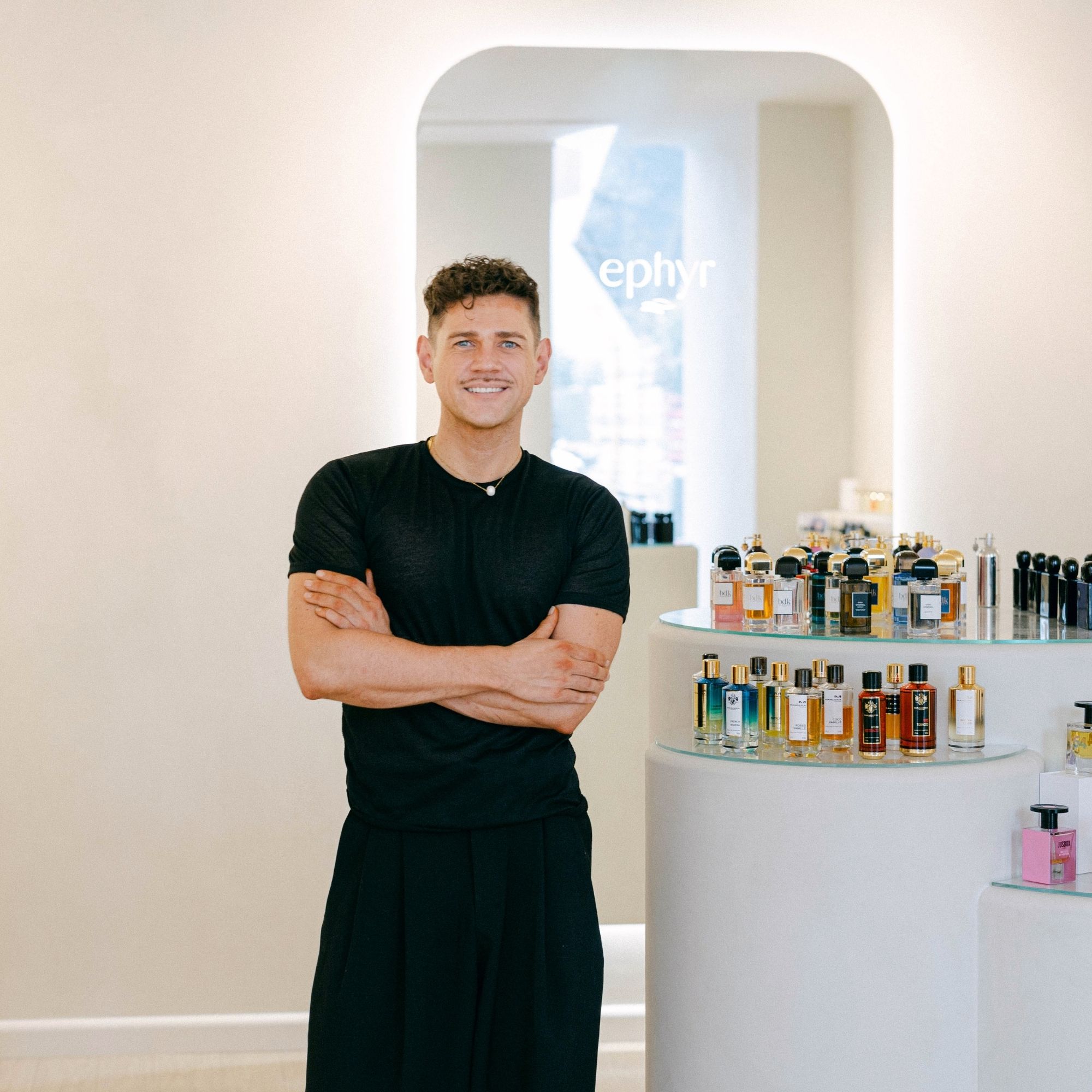
Article by
Dmitrii Savishin
Dmitrii Savishin is the founder of Maison Ephyr and Parfum Exquis, two Canadian destinations dedicated to the world of niche perfumery. With years of experience discovering exceptional fragrance houses from around the globe, Dmitrii shares expert insights on perfume trends, fragrance notes, luxury brands, and the art of choosing the perfect scent. His mission is to make niche perfumery more approachable while helping readers discover fragrances that leave a lasting impression.


