
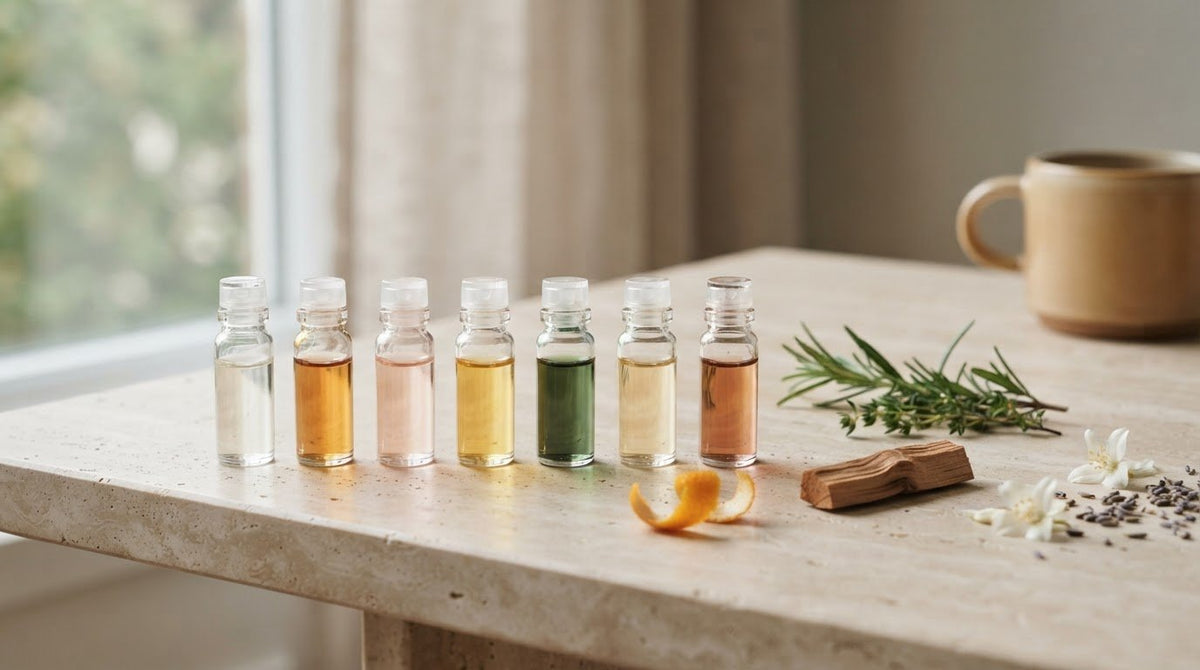
A fragrance shouldn’t be chosen in a single moment. The benefits of fragrance discovery sets begin with choice: they commonly bring together 3-10 fragrance samples, so you can compare scents before committing to a full-size bottle. You can also wear each one over time and see how it develops on your skin.
It’s easy to enjoy a fragrance at first, then find it doesn’t suit your everyday routine. Sampling gives you time to notice its details, from the opening to how it develops later in the day, instead of relying on a quick first impression.
This guide explains how discovery sets help you explore fragrance families, wear scents in different settings, and narrow down your favourites. You’ll also learn why a curated set can make a thoughtful gift and how to compare the options without feeling overwhelmed.
Key Takeaways
- Try several scents before choosing a full-size bottle, giving each one time to make a better impression than a quick first sniff.
- Use a discovery set to compare fragrance families and notice which notes and styles feel most like you.
- Test scents on different days and in different settings to see how they develop on your skin and fit your routine.
- Choose a set as a thoughtful gift when you want to offer variety without guessing on one signature scent.
- If you’re new to sampling, compare a few scents at a time and note your reactions to make the choice feel manageable.
Trying fragrances before buying full-size bottles
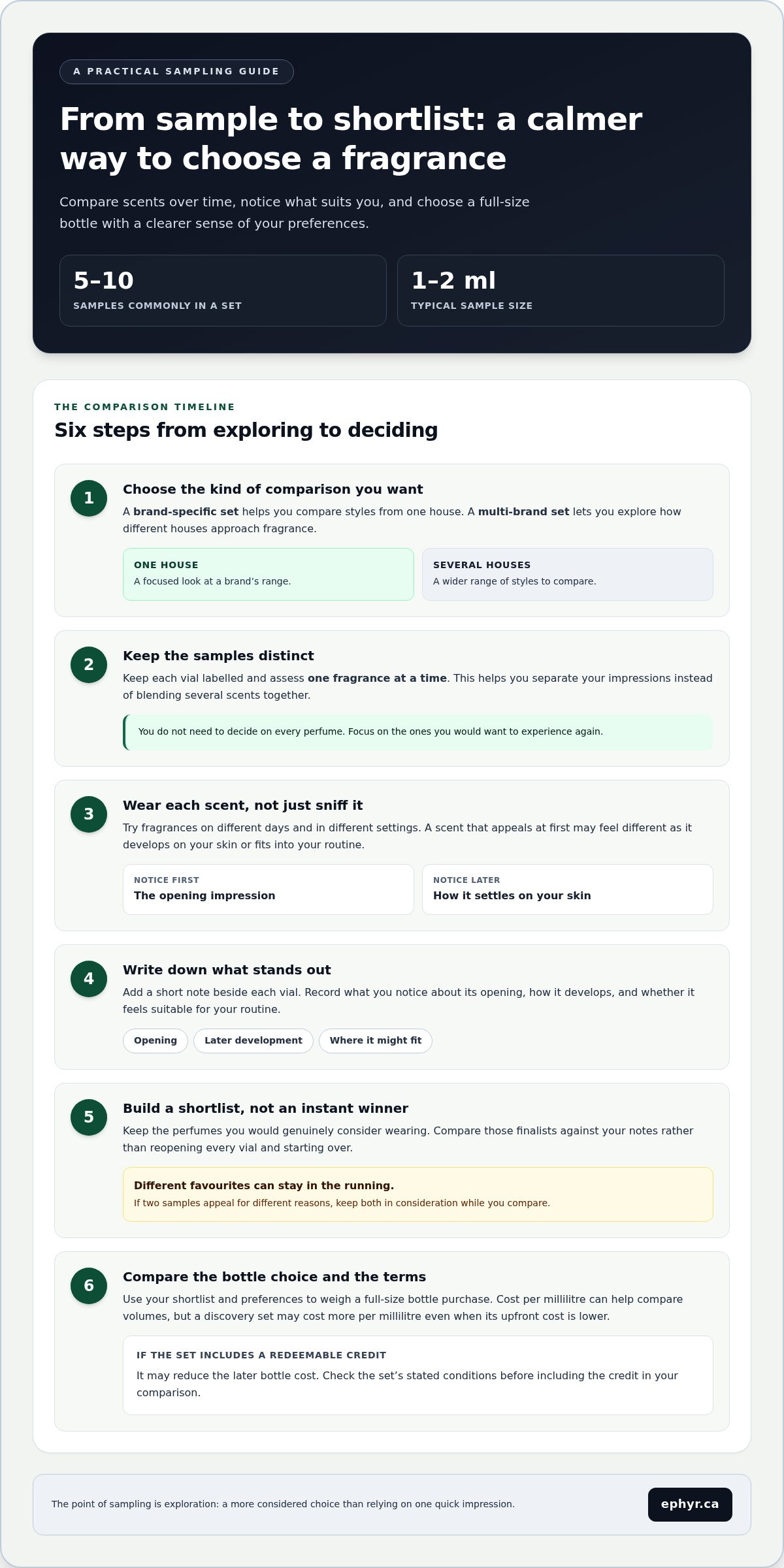
A discovery set lets you compare several perfumes before choosing a full-size bottle. Sets commonly contain 5-10 samples, making a first comparison possible without committing to one scent.
What the sample stage lets you compare
Each vial gives you a small, practical way to assess a perfume before buying its larger bottle. A typical fragrance sample contains 1-2 ml, enough to make an initial impression and compare how different compositions appeal to you. For example, you might prefer a bright citrus scent at first, then find a softer option more comfortable to wear.
Keep the vials labelled and assess one fragrance at a time. That simple step helps separate your impressions instead of blending several scents together. A set with 5-10 samples can offer distinct options, but you don’t need to decide on every perfume. Focus on which ones you’d want to experience again.
Compare before committing
Sampling several fragrances lets you compare alternatives before choosing a full-size bottle. Note what stands out in each one, such as its opening or how it settles on your skin. A short note beside each vial can help you remember why one perfume felt more suitable than another.
Use your comparisons to narrow the shortlist, not to force an immediate favourite. If two samples appeal for different reasons, keep both in consideration. The benefit is making a more informed choice than you could from one quick impression at a counter.
Cost and Full-Size Bottle Credits
Cost per millilitre means the price divided by the fragrance’s volume. It can help you compare a sample with a full-size bottle, but discovery sets may cost more per millilitre even when their upfront cost is lower. Consider what you’re buying: a set is for exploring and comparing scents, not necessarily for getting the lowest unit cost.
A redeemable credit is an amount applied toward a full-size purchase under the set’s stated terms. If a set includes one, it may reduce the later bottle cost, but check the conditions before factoring it into your comparison.
Brand-Specific and Multi-Brand Sets
A brand-specific set samples fragrances from one house; a multi-brand set brings together perfumes from several houses. Choose a single house to compare its range, or several to explore a wider range of styles.
A brand-specific set can help you identify which styles within one house suit you. A multi-brand set lets you compare how different perfumers approach similar impressions. One offers a focused comparison; the other broadens your options before you choose a bottle.
Use a shortlist to guide the bottle choice
After sampling, shortlist the perfumes you’d genuinely consider wearing. Compare those finalists against your notes, rather than reopening every vial and starting over. This keeps a 5-10-sample set manageable and gives your decision a clear basis.
Once you’ve made a shortlist, weigh the full-size bottle purchase against your preferences and any redeemable credit. A sample that appealed at first may not remain your favourite after comparison. The aim is to choose with a clearer sense of what you like, rather than buying a full-size bottle before exploring alternatives.
Is a Fragrance Discovery Set a Good Gift?
A fragrance discovery set can make a thoughtful gift when you’re unsure which perfume someone will love. Rather than choosing one full-size bottle for them, give them a collection to explore. Each sample offers a new scent to try, compare, and remember. It’s a considerate option for someone curious about fragrance, even if you don’t know their exact favourite.
Part of the appeal is the unwrapping and exploration. A described gift format pairs three 8 ml sprays with a travel case, turning sampling into a ready-to-use set. The recipient can try one perfume, then return to the others when they want a different mood. That sequence gives the gift more than a single first impression. It creates several opportunities to discover what feels right.
Personalize the gift by matching the collection to what you know about the recipient. Just as someone might consult a guide on men wedding bands to find a style and metal that suits daily wear, choosing a fragrance set works best when aligned with personal habits. If they often choose fresh scents, look for a set with that kind of character. If they enjoy variety, contrasting styles may be more engaging. A detail such as their preference for softer scents at work can guide your choice without requiring you to guess one perfect bottle.
For a more personal presentation, include a note suggesting a way to explore the samples. They might try one on a quiet weekend, then another before an evening out. Keep the suggestion open rather than prescribing a favourite; the recipient’s own impressions should lead. A small detail, such as noting which sample they wore, can make the experience feel considered.
A discovery set can suit someone who already owns perfume, too. Use a familiar favourite as a clue: choose a collection with related scents or one that introduces a different direction. Someone who wears warm fragrances, for example, might enjoy comparing them with brighter, lighter options. The gift invites exploration without asking them to replace what they already enjoy.
Before choosing, consider whether the recipient enjoys trying several options or prefers a single, familiar scent. A set offers variety, so it works best for someone open to sampling. For a curious fragrance lover, that variety can feel fantastic: each vial becomes a small invitation, not a demand to settle on one signature. A curated fragrance selection can help you find a gift built around discovery.
Exploring fragrance families and refining scent preferences
Discovery sets commonly contain 3-10 samples, with sample sizes varying by set. Perfume samples in discovery sets are usually 2 to 20 ml.
Matching Sets to Preferences and Lifestyle
Choose a set by pairing scents you enjoy with the settings where you’ll wear them. If you reach for fresh scents during the day, try that style alongside a warmer option for evenings. The contrast can reveal whether your preferences depend on the occasion or stay consistent. Before buying, read the ingredient information for each sample, especially if you have a known allergy, and avoid ingredients you know you must avoid.
Make a short note for each sample: its character, when you tried it, and whether you’d wear it again. For example, “soft floral, workday, yes” is more useful than “nice.” A few specific observations can reveal patterns: you may prefer lighter scents in close settings or richer ones when you want a more noticeable impression.
Exploring Fragrance Families and New Brands
Fragrance families group scents by shared character, offering a useful framework for exploring different styles. A set with floral, woody, citrus, or gourmand scents can help you compare broad profiles rather than judge each perfume in isolation. This is useful when you’re looking beyond familiar brands and working out what makes a scent feel like yours.
Compare one family with another, then note which details draw you in. A citrus scent may feel crisp, while a woody one feels deeper. Family labels are starting points, not strict boundaries; a perfume can combine several impressions. Sampling across brands shows how different makers interpret similar styles and can help you discover scents beyond familiar names.
To track how a fragrance develops, record your first impression and revisit it later in the day. Note whether it still feels balanced, becomes softer, or reveals a detail you hadn’t noticed initially. Keep the sample name beside each observation. Comparing notes across a set can clarify your preferences and help distinguish a passing first impression from a style you’d want as a signature scent.
Look for recurring preferences rather than one perfect match. If several samples share a fresh character, or you repeatedly favour a particular family, use that pattern to guide your next choice. A signature scent can emerge from these comparisons. The aim isn’t to memorize every note; it’s to recognize which scents suit your taste, routine, and personal style.
Testing a fragrance over multiple days and in different settings
A fragrance can change character as it develops on your skin, so one quick impression may not tell the whole story. Try the same sample over several days or weeks to notice how it wears across different routines and settings.
Begin with clean, dry skin and apply the fragrance to a pulse point. Let it dry naturally, without rubbing your wrists together. Note your first impression, then revisit the scent later in the day. A simple record, such as “bright at first, softer by evening,” gives you more useful information than relying on memory.
Your skin affects how a perfume smells. Skin oils, sweat, and pH can influence its character, while genetics, diet, hormones, and body temperature can affect how it develops. That’s why a fragrance on a paper strip may smell different when you wear it. Your own skin is the most relevant place to assess whether it suits you.
Keep each test focused: wear one sample on a given day and record the date, setting, and impression. Note whether it felt comfortable during a quiet workday or better suited to an evening out. Testing the same perfume in different settings helps separate its character from the circumstances around it. A warm afternoon and a cool morning may give you different experiences.
Repeating a test across several days helps distinguish a passing first reaction from a lasting preference. You might enjoy a sample’s opening, then find its later character less suited to your routine. Another perfume may become a favourite only after several wears. A few concise notes make these patterns easier to compare across a curated selection.
Keep testing conditions as consistent as practical. Apply the fragrance to the same pulse point on clean, dry skin, and avoid rubbing it in. If you wear other scented products, note them, since they can influence the overall impression. Comparing like with like makes your observations more useful.
At the end of the trial, review your notes instead of relying on one memorable moment. Look for a sample you enjoyed in more than one setting and whose development felt right throughout the day. This can help you choose a scent that works beyond a first impression, whether you want an everyday option or one for particular occasions.
Choice overload for beginners
A discovery set can bring a crowded field of unfamiliar names, notes, and descriptions. Beginners may find it difficult to distinguish subtle differences, especially when they test several samples close together. Give each scent a clear place in your comparison. Note whether it feels fresh, warm, soft, or bold, rather than trying to remember every note at once.
Start with one simple question: would you wear this perfume again? This first filter keeps the selection manageable without requiring expert knowledge. After trying a sample, label your response “yes,” “maybe,” or “no.” Keep a “maybe” in consideration for another wear; remove a clear “no” from the shortlist. This simple sorting step keeps the process moving.
Then compare scents with a shared reference point. If one feels bright and another rich, note the contrast rather than ranking them as better or worse. Familiar experiences can help: a scent that reminds you of a crisp morning may appeal during the day, while a warmer impression might suit an evening. Use these associations as clues, not rules.
- Keep: Choose a sample you can picture wearing in a real setting, such as a workday or dinner.
- Maybe: Set aside a scent you’re unsure about and return to it later, rather than forcing a verdict.
- Pass: Remove a perfume that consistently feels unlike your taste, even if its description sounds appealing.
Perfume descriptions can also be confusing. Unfamiliar notes may sound abstract, so translate them into your own words after sampling. Write “smooth and quiet” or “sharp at first,” for example, instead of copying marketing language. Personal shorthand makes comparisons clearer and helps you spot recurring preferences across the collection.
A simple shortlist works better than trying to find one perfect answer straight away. Keep the samples that match your taste, then compare what you like about each. You may favour one scent’s opening but another’s overall character. Separating those impressions helps you decide what matters most before choosing a signature fragrance.
Make the process feel like exploration, not an exam. Your notes don’t need technical vocabulary, and your favourite doesn’t need to match anyone else’s. Start with a curated selection, use the keep, maybe, and pass labels, and revisit the strongest candidates. Explore fragrance discovery options to begin comparing scents at your own pace.
Maison Ephyr: Xerjoff Fragrances
Maison Ephyr is a natural next step when your notes have narrowed your preferences, but you’re ready to explore specific niche fragrances. Compare Xerjoff Fragrances with Nishane Fragrances or Casamorati to discover different houses and styles. If you’d rather continue sampling before choosing a bottle, 1ml fragrance samples offer a focused way to experience individual scents. Use what you’ve learned from testing to guide your selection: the fragrance family you prefer, how a scent develops on your skin, and where you expect to wear it. That makes each next sample a more deliberate choice. Visit ephyr.ca to explore the fragrance selection or contact Maison Ephyr.
Let Your Next Scent Reflect Your Taste
The benefits of fragrance discovery sets go beyond choosing a bottle. They can help you recognize the qualities you want to seek out and those you’re ready to leave behind. Let your preferences guide your next choice without treating a signature scent as permanent. Taste can shift with your mood, routine, and the occasions you want a fragrance to accompany.
Use your impressions as a personal compass. A few words about what feels distinctive can help you make a more intentional choice later. You don’t need technical language; your own descriptions are enough to point you toward a scent that feels like yours.
When you’re ready to explore a particular house, Maison Ephyr offers a curated selection of exceptional fragrances. Your notes can give you a useful starting point for deciding what to try.
Contact Maison Ephyr for fragrance advice, and take your next step at your own pace.
Frequently Asked Questions
Why Are Discovery Sets Beneficial?
Discovery sets let you explore several perfumes before choosing which direction suits you. They’re especially useful if you’re curious about niche fragrance but don’t yet know a house’s style. Comparing samples from different houses, for example, can reveal whether you prefer one maker’s interpretation of a woody scent. A set can also offer a fragrance enthusiast new options without requiring another full-size bottle.
How should you test different fragrances?
Test one fragrance at a time and write a short impression beside its name. Note whether you’d choose it for a workday, a social occasion, or neither. This makes your comparisons personal and practical. If a set includes several samples, don’t judge them solely by their descriptions. Your own notes can help distinguish a scent you admire from one you’d actually wear.
What Is a Perfume Discovery Set?
A perfume discovery set is a collection of smaller fragrance samples assembled to let you experience several scents. Sets vary in the number and size of their samples; sample sizes can range from 2 to 20 ml. Some focus on fragrances from one house, while others let you explore different makers. The format gives you a compact way to compare options before deciding which full-size perfume interests you.
What are the main benefits of fragrance discovery sets?
The main benefits of fragrance discovery sets are choice and flexibility: you can explore different perfumes before choosing a larger bottle. A set can also help you identify preferences you hadn’t put into words, such as favouring one house’s style or a particular kind of scent. You might find that a fragrance you wouldn’t have chosen by name becomes a strong contender after sampling.
How do fragrance discovery sets help you find a signature scent?
A set gives you a structured way to compare what feels distinctive and wearable to you. Instead of choosing a signature scent by its label or first impression alone, look for a perfume you’d reach for in your routine. If one sample suits both relaxed days and special plans, for instance, it may be a stronger signature candidate than a scent you admire but rarely wear.
Are fragrance discovery sets cheaper than buying full-size perfumes?
Discovery sets usually require less money upfront than buying several full-size bottles, but may cost more per millilitre. Which is better value depends on your goal. If you’re deciding which perfume to buy, the lower total outlay can help you compare before committing. If you already know your preferred scent and expect to wear it often, compare the bottle’s total cost and volume with the amount of sample you’d use.
Do fragrance discovery sets include vouchers or credits toward a full-size fragrance?
Some sets may include a voucher or credit, but this isn’t standard across all discovery sets. Treat any credit as a condition of that particular offer, rather than assuming it comes with the samples. If included, its value depends on the stated redemption terms, such as which fragrance or purchase it applies to. The samples themselves still offer a way to explore scents.
Are fragrance discovery sets a good way to test fragrance longevity and wear?
Yes. A sample lets you experience how a perfume wears on your skin during an ordinary day, not just how it smells right after application. Note when you first notice it and how its character changes through your routine. These observations reflect your own experience, which may differ from someone else’s. That makes sampling useful when deciding whether a fragrance suits your preferred level of presence and everyday use.
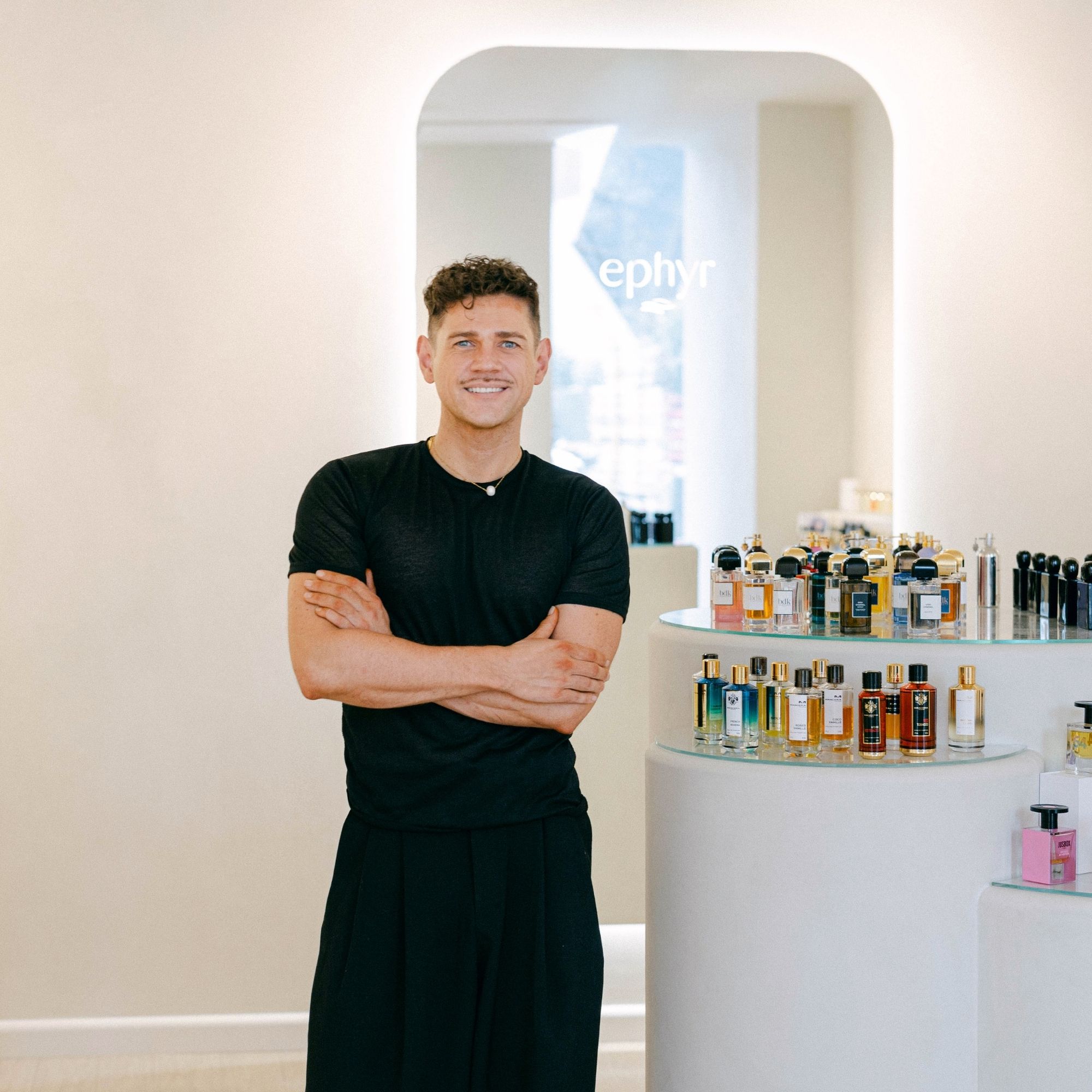
Article by
Dmitrii Savishin
Dmitrii Savishin is the founder of Maison Ephyr and Parfum Exquis, two Canadian destinations dedicated to the world of niche perfumery. With years of experience discovering exceptional fragrance houses from around the globe, Dmitrii shares expert insights on perfume trends, fragrance notes, luxury brands, and the art of choosing the perfect scent. His mission is to make niche perfumery more approachable while helping readers discover fragrances that leave a lasting impression.


